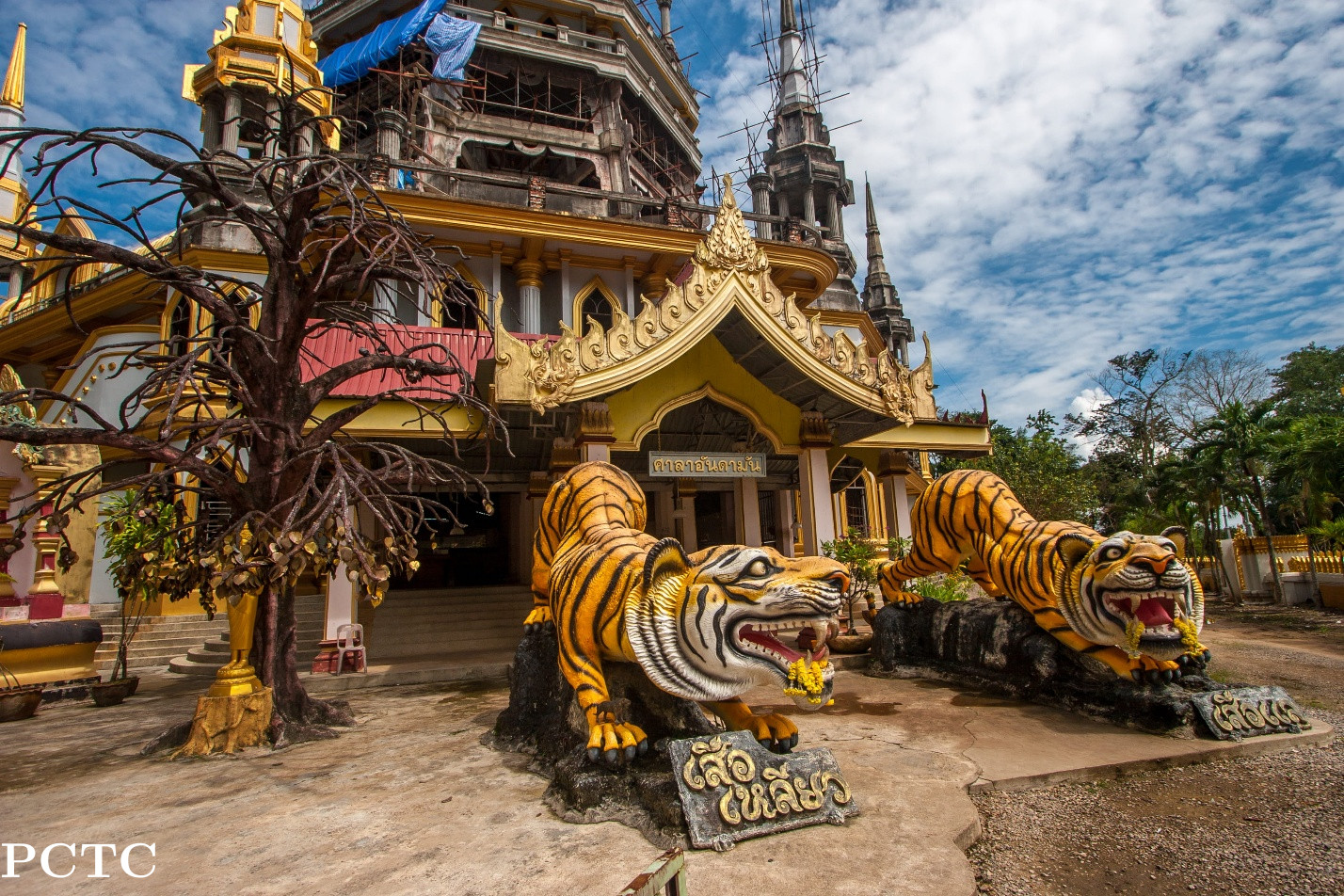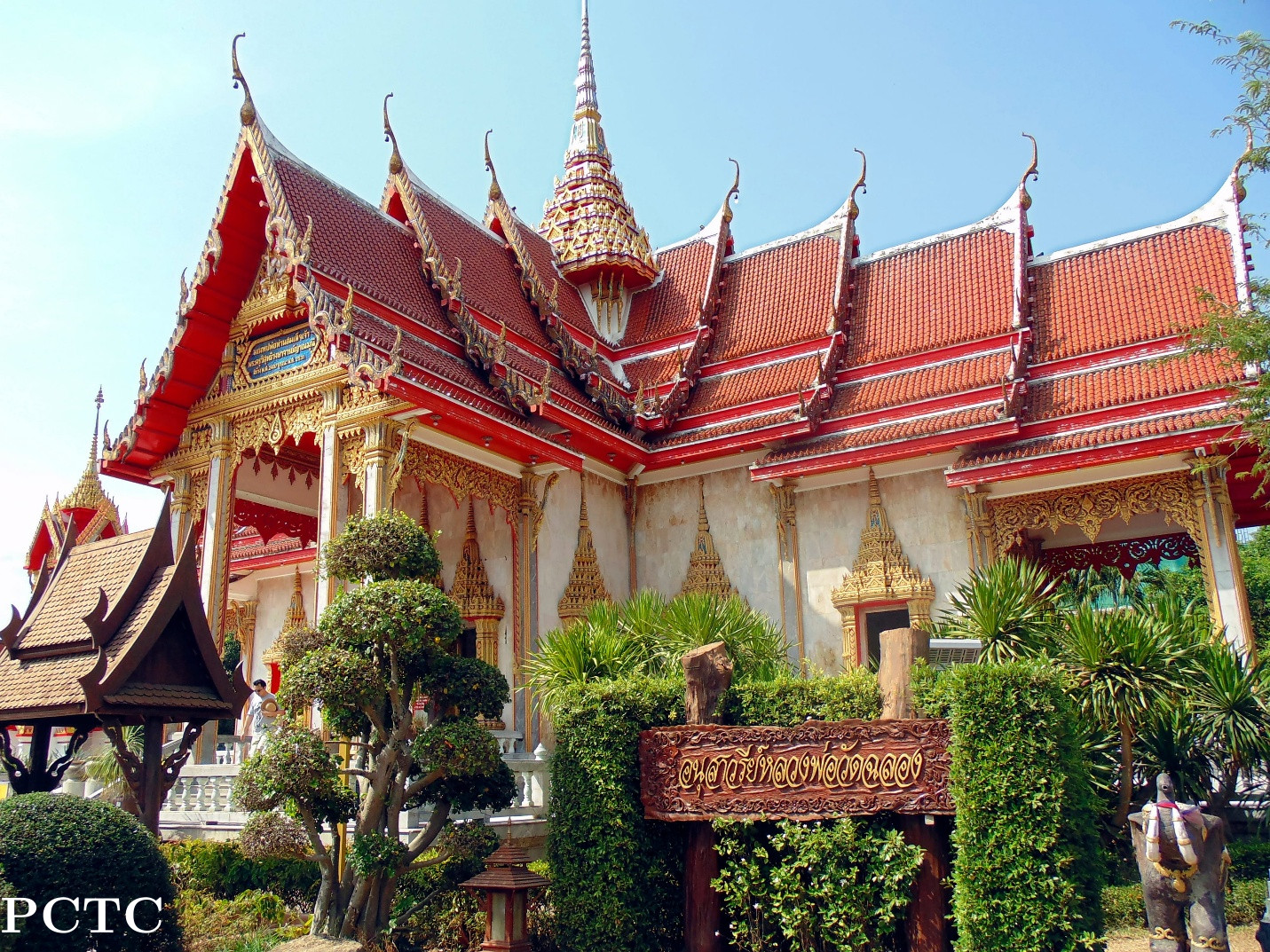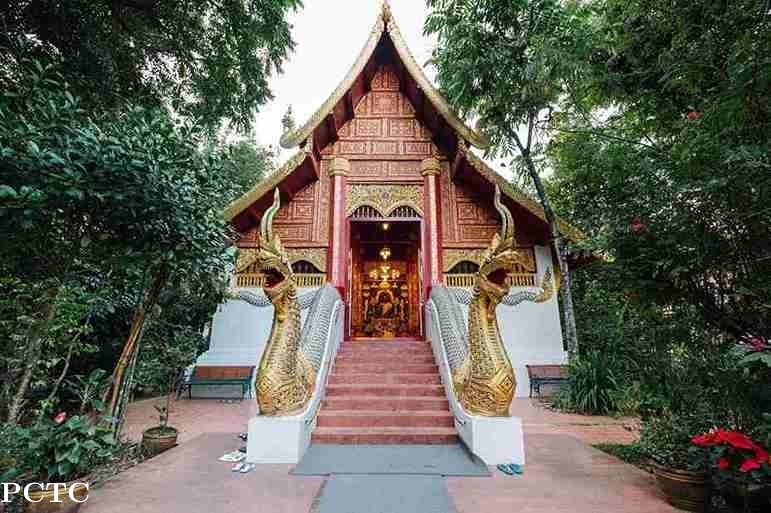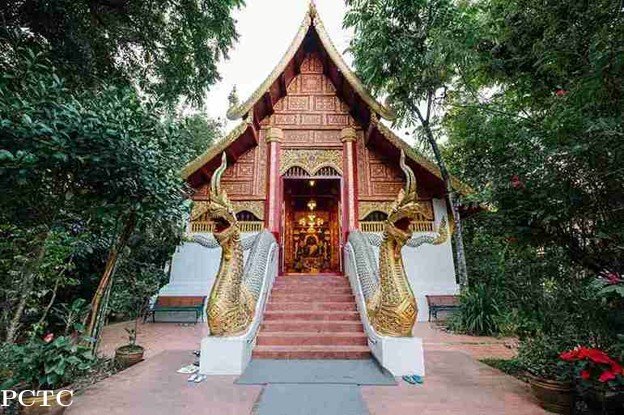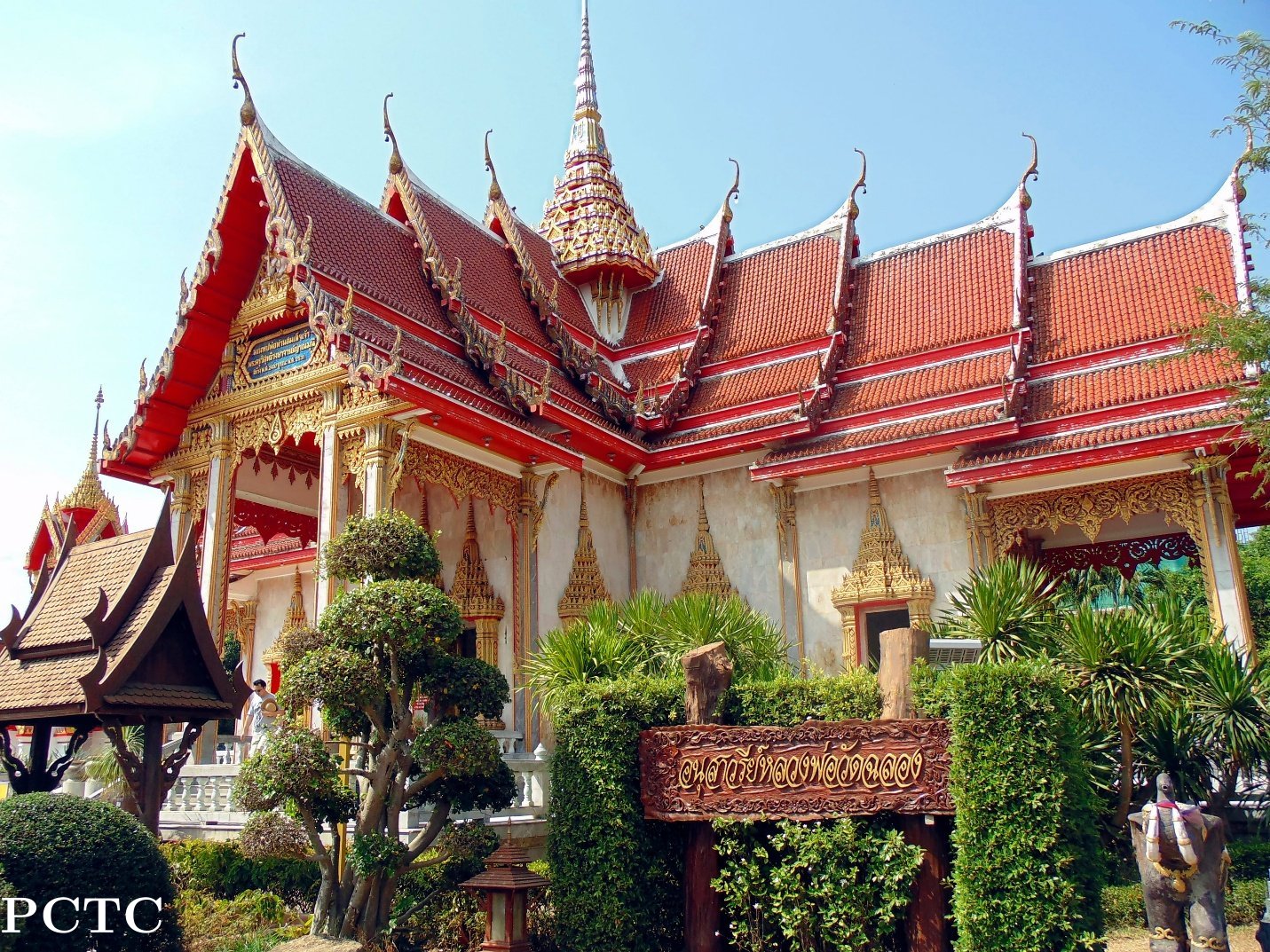
While Phuket is celebrated for dramatic coastlines and vibrant beach towns, wat chalong phuket offers an enriching cultural stop that grounds any holiday in local Thai tradition. Officially named Wat Chaithararam, this sprawling complex in southern Phuket stands as the island's largest and most revered Buddhist sanctuary. It provides a peaceful contrast to bustling resort strips and island-hopping excursions.
For travellers exploring the island, including families and groups arriving from India, a visit here fits smoothly into a broader sightseeing route like an organized Phuket city tour. You can walk through quiet courtyard gardens, admire intricate terracotta and gilded Thai architecture, and observe authentic daily rituals that have shaped island life for generations.
Whether you want to learn about the island's history, admire golden statues, or seek blessings at the three-story Grand Pagoda, Wat Chalong is an essential land attraction. This complete guide outlines what to see across the grounds, strict dress code rules, and practical advice to make your visit seamless.
Top Highlights to See at Wat Chalong
Wat Chalong holds deep spiritual and historical meaning for Phuket residents. The temple grounds house several grand structures, artistic murals, and sacred spaces where devotees come to make merit, light incense, and pray for health and good fortune.
The Grand Pagoda (Phra Mahathat Chedi)
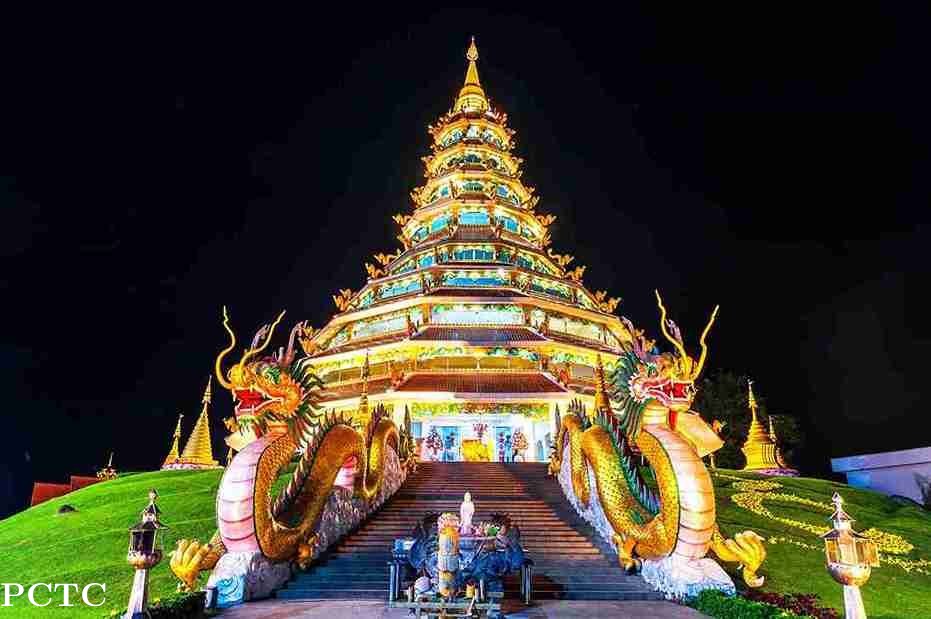
Rising 61 metres above the temple grounds, the three-story Grand Pagoda is the visual centerpiece of Wat Chalong. The interior walls and high ceilings feature detailed hand-painted murals depicting key events in the life and journey of Lord Buddha.
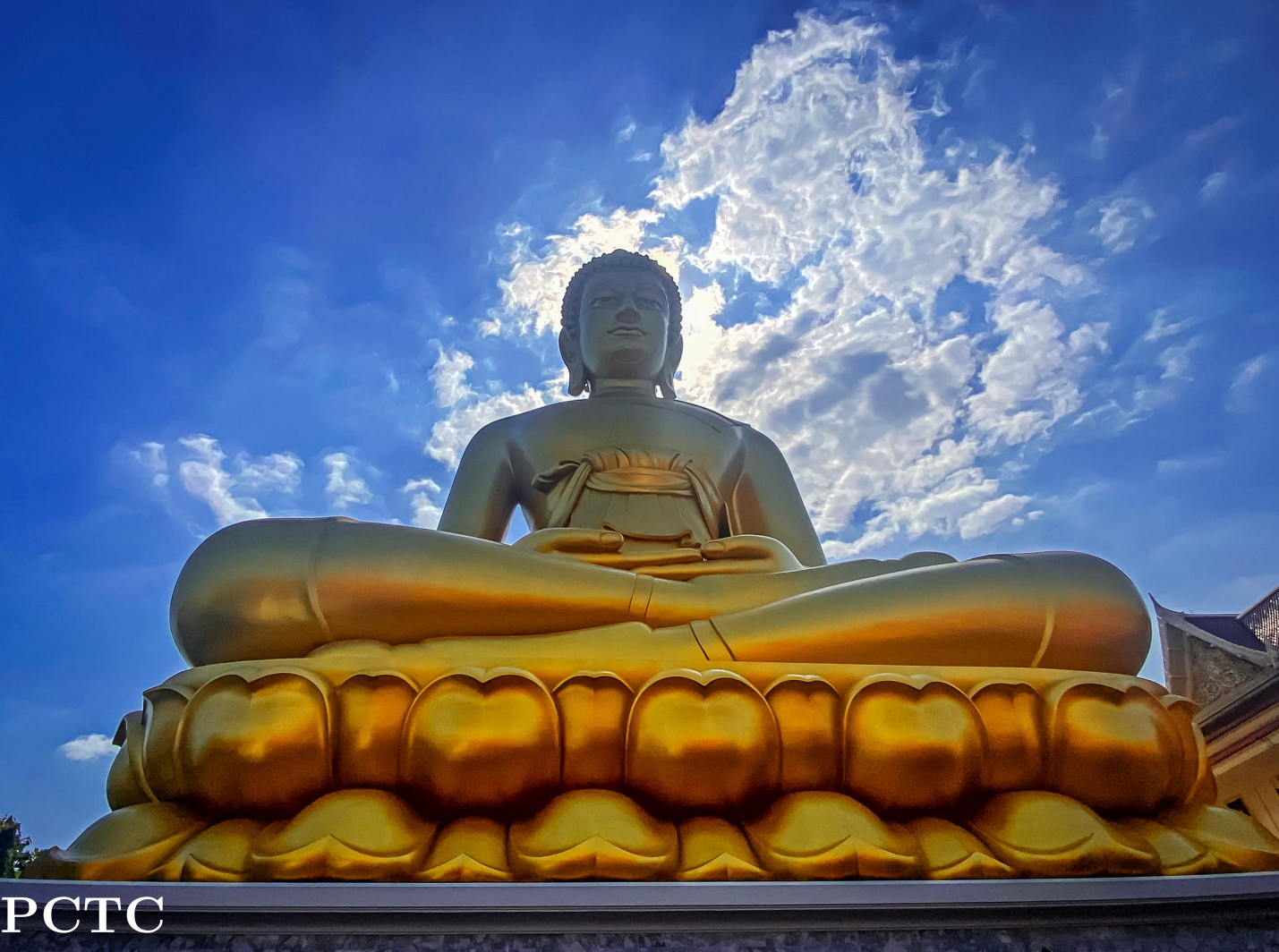
A gentle climb up the interior stairs leads visitors through peaceful exhibition floors adorned with golden Buddha statues in various meditative postures. On the open upper terrace, you can pause to take in sweeping views across the surrounding green hills of the Chalong district.
The Sacred Bone Relic of Lord Buddha
At the very top tier of the Grand Pagoda sits the most sacred treasure of the temple: a glass display case housing a splinter of bone from Lord Buddha (Phra Borommathat Chedi). Brought to Thailand from Sri Lanka, this relic makes the Chedi a primary pilgrimage site for Buddhists across Southeast Asia and international visitors alike.
The Main Prayer Hall and Revered Monk Statues
The main prayer hall, known locally as Poh Than Jao Wat, houses life-sized golden statues of three former abbot monks: Luang Por Cham, Luang Por Chuang, and Luang Por Gleum. During the tin miners' rebellion of 1876, Luang Por Cham helped rally and protect the local population, while also using traditional herbal medicine to care for wounded villagers.
Today, visitors will see worshippers placing thin sheets of gold leaf onto these statues as an act of devotion, expressing gratitude for protection, recovery from illness, and personal guidance.
The Traditional Brick Kiln
While walking the courtyard, you will periodically hear a loud crackle echoing across the grounds. This comes from the dedicated brick kiln, where temple staff detonate strings of firecrackers on behalf of worshippers. According to local custom, these explosive sounds serve as an offering of thanksgiving when personal prayers or business wishes come true.
Cultural Etiquette and Temple Dress Code
Wat Chalong is not merely a tourist sight; it is a live, working place of worship. Monks reside on the property, and local families visit throughout the day to pray. Maintaining respectful conduct and adhering to the dress code is strictly required for everyone entering the temple grounds.
What to Wear
Both men and women must ensure their shoulders and knees are fully covered before entering any building:
- Choose lightweight, breathable cotton or linen trousers, long skirts, or culottes that fall well past the knees.
- Wear short-sleeve shirts, polo shirts, or blouses with modest necklines. Avoid tank tops, sleeveless vests, crop tops, and sheer fabrics.
- Keep a light scarf or wrap handy in your day bag to drape around your shoulders if your top does not meet temple guidelines.
- Slip-on footwear or supportive walking sandals are best, as you must remove your shoes repeatedly before stepping onto the polished floors of the chapels and pagoda.
Respectful Temple Behaviour
Follow these standard guidelines while moving around religious areas:
- Remove all hats, caps, and sunglasses when stepping inside shrine halls.
- Lower your voice, avoid shouting across courtyards, and set your mobile phone to silent mode.
- Never point your feet directly at Buddha images or sitting monks when seated on the floor; tuck your legs behind you or sit in the traditional cross-legged posture.
- Photography is permitted inside the pagoda and courtyard, but avoid blocking worshippers, posing disrespectfully, or standing with your back turned to sacred statues solely for close-up selfies.
How to Combine Wat Chalong with Nearby Attractions
Because exploring Wat Chalong typically takes between 45 minutes and 90 minutes, it is simple to combine with other prominent landmarks in southern Phuket during a single morning or afternoon outing.
The Big Buddha of Phuket
Perched high atop the Nakkerd Hills, the 45-metre-tall white marble Big Buddha sits roughly a 15-minute drive from Wat Chalong. Pairing both sites gives you a comprehensive view of Phuket's Buddhist heritage alongside panoramic coastal lookouts over Chalong Bay and Kata Beach.
Phuket Old Town
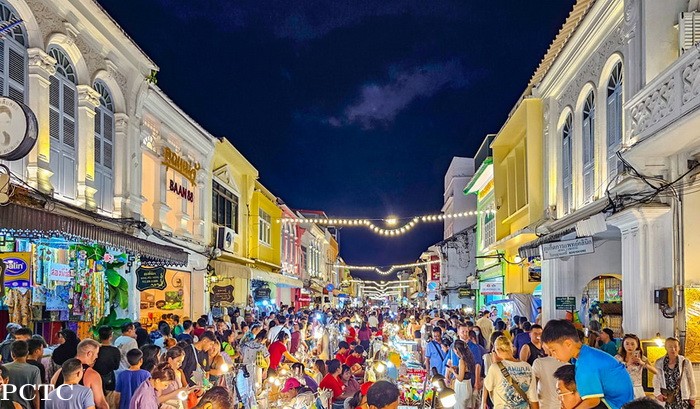
After soaking in the temple's serene atmosphere, head approximately 20 minutes northeast into Phuket Old Town. Its pastel-coloured Sino-Portuguese shophouses, street art, herbal dispensaries, and coffee shops make an ideal walking route for the midday hours before evening activities begin.
Evening Entertainment Options
If your daytime schedule is filled with cultural stops, you can spend the evening watching theatrical stage performances that showcase Thai folklore. Options like the spectacular Siam Niramit Phuket cultural show or the vibrant Phuket FantaSea Show provide grand visual storytelling and dinner buffets that suit multi-generational family groups.
Getting to Wat Chalong and Best Time to Visit
Wat Chalong is situated along Chao Fah Tawan Tok Road in the Chalong sub-district. Depending on traffic conditions, it is roughly a 20- to 30-minute drive from Patong Beach, Kata, Karon, or Phuket Town.
Transport Options
You can reach the temple grounds using several straightforward transport methods:
- Private vehicle transfers: Pre-booking a private car or van with a dedicated driver is the most comfortable option for families, letting you combine the temple with viewpoints and lunch spots without transport haggling.
- Ride-hailing apps: Services such as Grab and Bolt operate widely in Phuket, making it easy to call a car directly from your hotel lobby.
- Local Songthaews: Blue open-air buses run between Phuket Town and Chalong or Rawai, offering an inexpensive travel experience, though schedules are variable.
Ideal Hours for Visiting
The temple is open daily between 8:00 AM and 5:00 PM. The ideal window to arrive is early morning, between 8:00 AM and 9:30 AM. Arriving during this period lets you explore before the midday tropical heat peaks and before large bus tour groups arrive, ensuring quiet photography conditions inside the Grand Pagoda.
Frequently asked questions
Is there an entrance fee to visit Wat Chalong?
No, entry to the entire temple complex, including the gardens, prayer halls, and the Grand Pagoda, is completely free of charge. Donation boxes are positioned near the entrances of the main buildings for visitors who wish to contribute toward temple upkeep and electricity costs.
Can non-Buddhists enter the prayer halls at Wat Chalong?
Yes, visitors of all religious backgrounds and nationalities are warmly welcomed at Wat Chalong. You are free to walk through the prayer halls, appreciate the Buddhist art, and observe daily devotionals, provided you dress modestly, remove your footwear at doorways, and maintain a quiet, polite demeanour.
How much time should I plan for a visit to Wat Chalong?
Most travellers spend between 45 minutes and 1.5 hours on-site. This gives you ample time to take off your shoes, walk through the three levels of the Grand Pagoda, admire the sacred relic, observe the monk statues in the main prayer hall, and stroll the landscaped grounds.
Is Wat Chalong accessible for senior family members?
The ground-level courtyards and main temple hall are flat and easy to navigate for seniors. However, reaching the upper terrace and the sacred relic inside the Grand Pagoda requires climbing several flights of interior steps, so elderly visitors may choose to enjoy the lower exhibition halls at their own pace.
Can I visit Wat Chalong and the Big Buddha on the same day?
Yes, visiting both landmarks on the same half-day itinerary is very practical. The drive between Wat Chalong and the base of the Big Buddha atop the Nakkerd Hills takes roughly 15 minutes by car or taxi, making them natural partners for a morning sightseeing trip.
Ready to discover Phuket's most sacred cultural sights without transport stress? Book your comfortable, air-conditioned Phuket city tour today and experience Wat Chalong, scenic island viewpoints, and historic districts with our experienced local drivers.