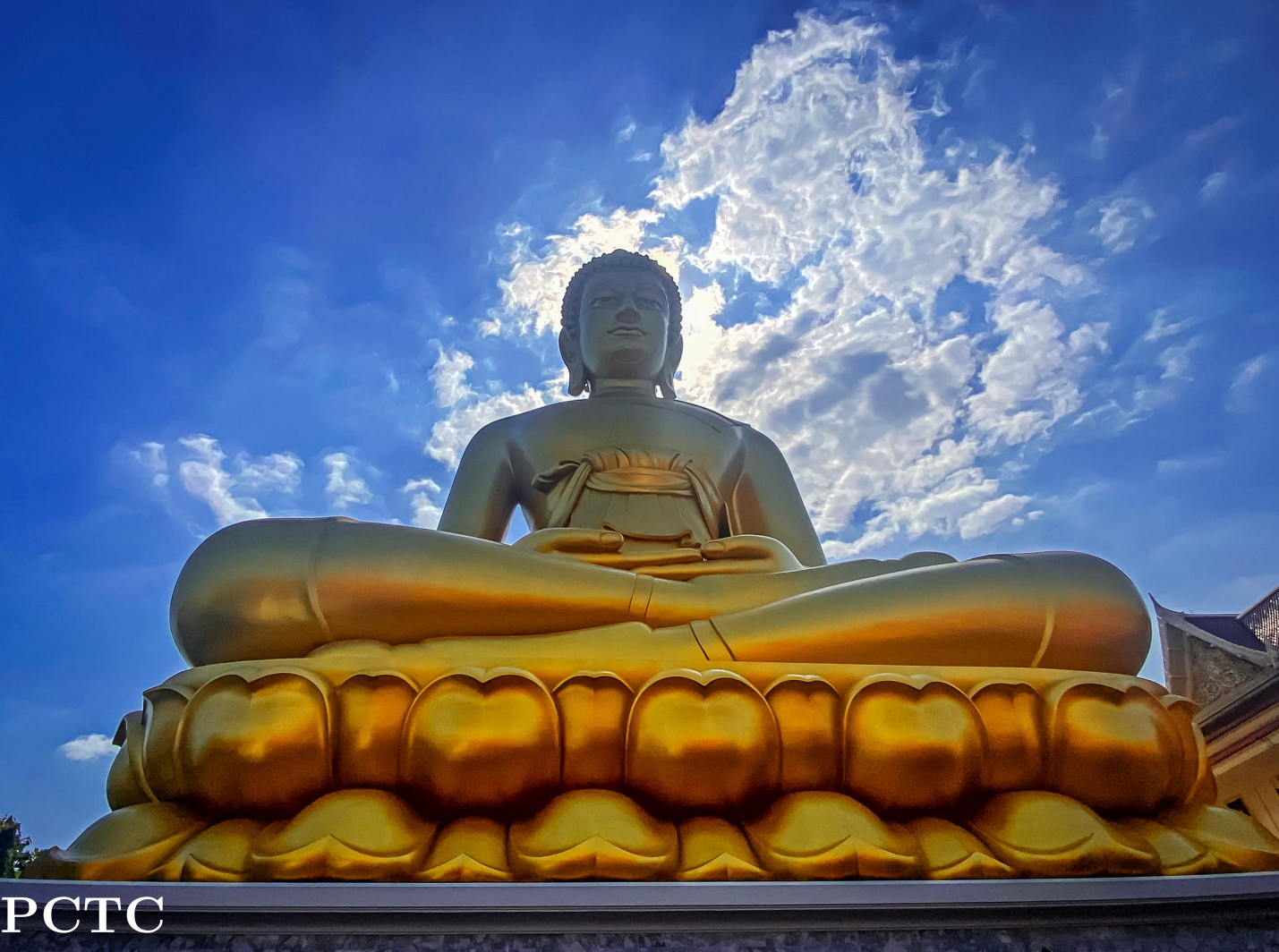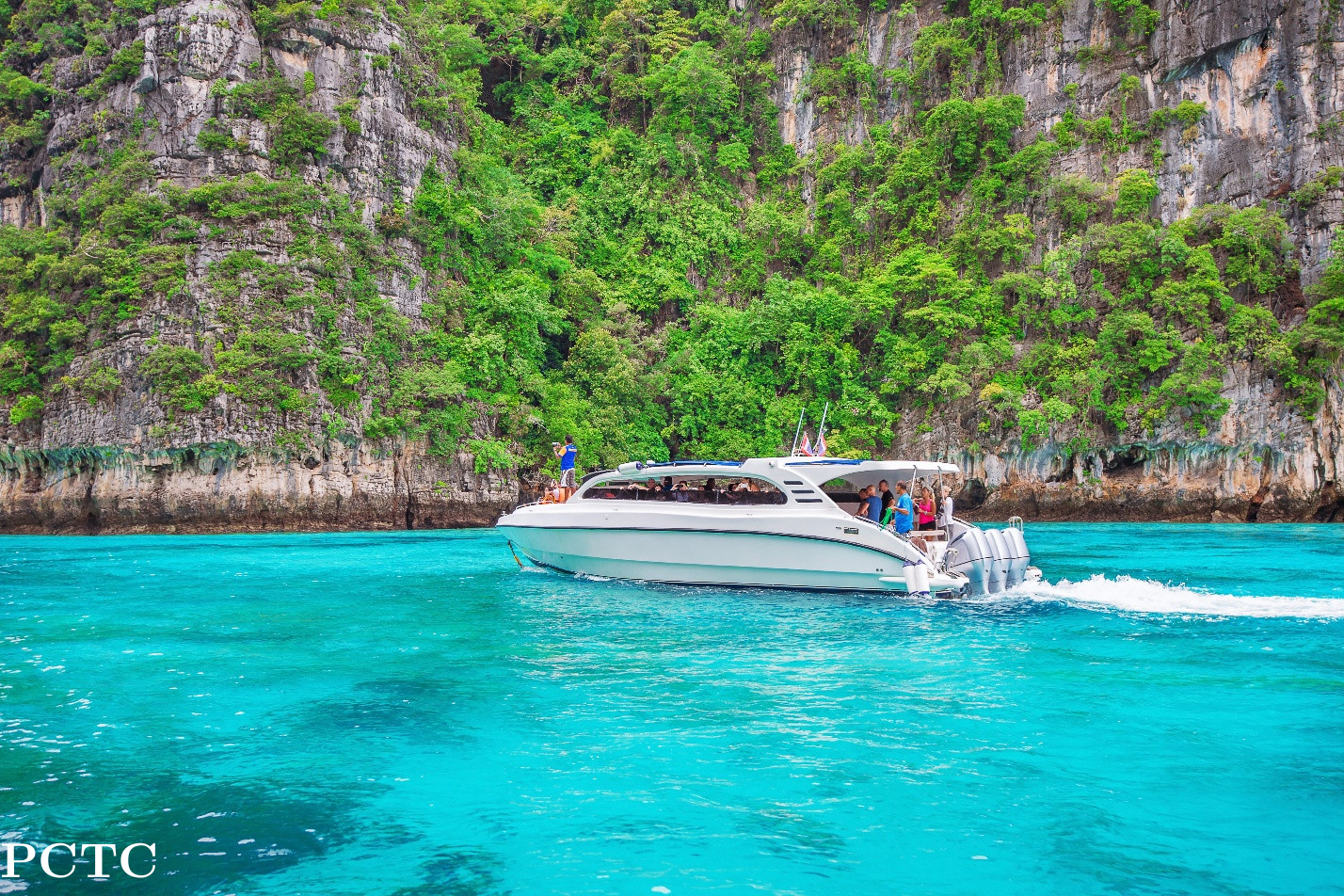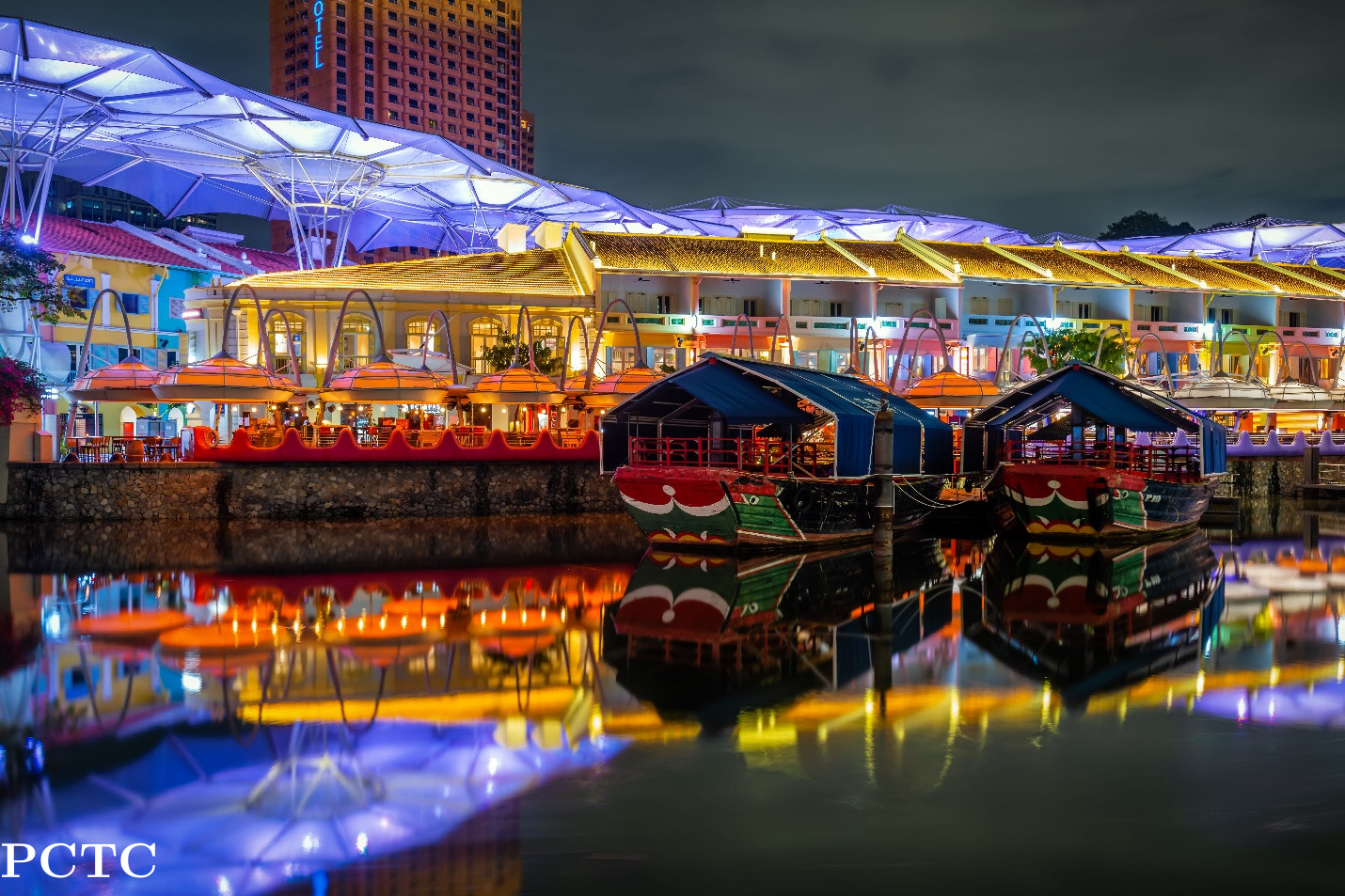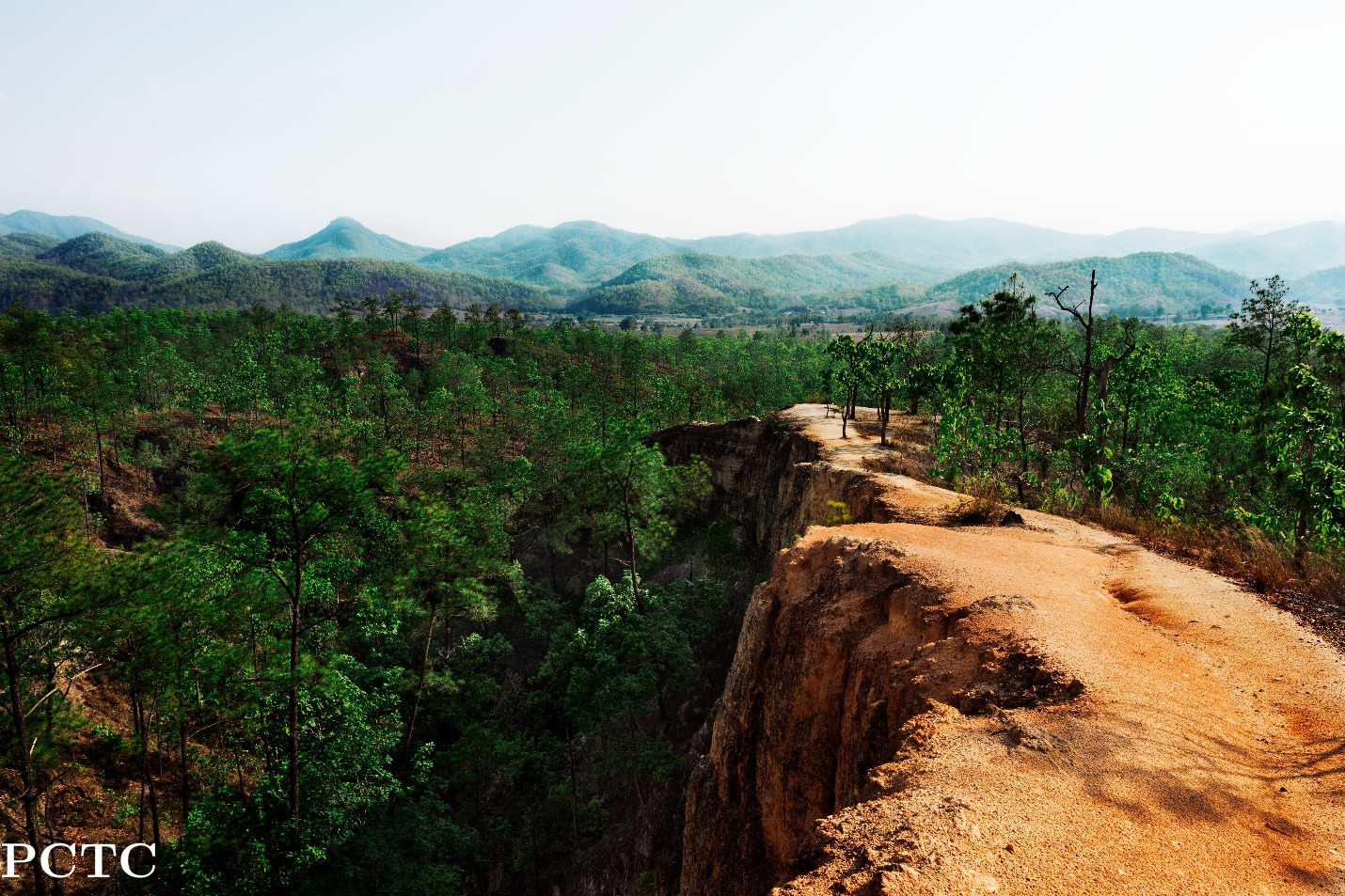
Southern Thailand is celebrated worldwide for limestone islands and lively coastal resorts, but its historical identity extends much deeper into maritime antiquity. Located inside the provincial administrative centre along Highway 3180, the Chumphon National Museum offers an insightful look into the ancient trade channels that shaped the Malay Peninsula. While many travellers pass through Chumphon solely to board ferries heading to Koh Tao, taking time to explore this curated provincial collection reveals thousands of years of trade, seafaring, and regional resilience.
Much like a comprehensive Bangkok city tour provides context for central Thai royal history, a morning at this museum anchors your understanding of the deep south. Established in 1995, the facility brings together archaeological excavations from ancient coastal settlements, wartime accounts, and traditional community lifestyles under one well-maintained roof. It stands out as an easy, air-conditioned cultural stop that enriches any road journey heading south toward the Andaman Coast or the Gulf of Thailand.
Highlights of Chumphon National Museum
The museum is designed to be accessible, informative, and manageable in scale. Rather than presenting sprawling, uncatalogued halls, the curators have structured the space into chronological and thematic zones that guide you through local evolution from the Stone Age to modern times.
Artifacts of the Kra Isthmus Trade Bridge
The narrow neck of land separating the Gulf of Thailand from the Andaman Sea—known as the Kra Isthmus—served as one of the world's most critical overland portage routes. Ancient merchants navigated treacherous open-sea passages by hauling cargo across this narrow corridor instead of braving pirate-heavy routes further south. The museum displays excavated beads, pottery, and ceremonial items that directly document this cross-peninsular traffic.
The Khao Sam Kaeo Discoveries
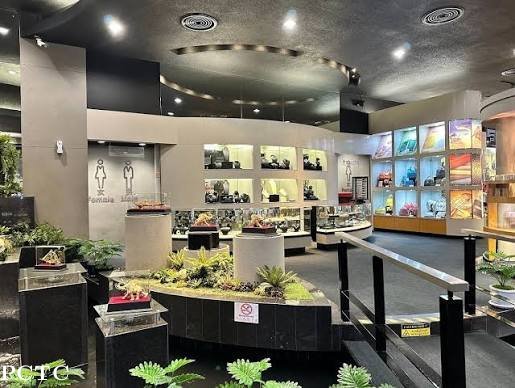
Among the most significant items in the collection are relics unearthed at Khao Sam Kaeo, an ancient port settlement near modern Chumphon. The display cabinets showcase Roman-era glass beads, Indian bronze vessels, Persian ceramic fragments, and bronze kettle drums associated with the Dong Son culture. These pieces confirm that international merchants from South Asia, the Mediterranean, and East Asia traded directly in Chumphon more than two thousand years ago.
Dioramas and Architectural Reconstructions
In addition to small glass-case artifacts, the galleries incorporate life-sized scale models of traditional southern wooden homes, local coastal fishing traps, and sea-going boats. Detailed dioramas illustrate the daily lives of coastal villagers, rubber tappers, and fruit farmers whose families have cultivated this fertile coastal strip for generations.
Exploring the Main Galleries and Exhibitions
Spread across two climate-controlled floors, the museum balances archaeological rigor with visual storytelling. All primary displays feature bilingual information panels in Thai and English, making self-guided exploration straightforward for international travellers.
The Prehistoric Hall
Your walk begins on the ground floor, which examines early human settlement across the caves and limestone outcrops of Chumphon Province. Excavations have yielded polished stone tools, primitive grinding stones, decorative shell ornaments, and prehistoric human skeletal remains dating back thousands of years. The exhibits explain how hunter-gatherer communities gradually transitioned into agricultural settlements along local river basins.
Maritime Silk Road and Early Statehood
Moving forward in time, the second key gallery focuses on Chumphon's role during the proto-historic and early historic periods. For visitors from India and neighbouring regions, this section is particularly fascinating: it highlights early cultural exchange, Hindu-Buddhist iconography, and trade goods brought across the Bay of Bengal. You can view intricate carnelian and agate beads, cast bronze ornaments, and ancient metalworking moulds that prove local artisans were not merely consuming foreign trade items, but actively manufacturing high-value goods on-site.
Chumphon in Modern History and Wartime Defense
The upper level covers recent history, including the administrative transformation of the province and key historical events of the twentieth century. A prominent section is dedicated to December 1941, when imperial Japanese forces landed along the beaches of Chumphon during World War II. Exhibition panels and period memorabilia recount how local youth soldiers (known as the Yuwachon Thahan) and regional police mounted a spirited armed resistance near the Tha Nang Sang Bridge.
Practical Tips for Visiting Chumphon National Museum
A visit to the museum requires little advance preparation, but planning around official operational schedules guarantees a smooth stopover.
Hours, Entry Fees, and Facilities
The museum welcomes visitors Wednesday through Sunday, from 9:00 AM to 4:00 PM, and remains closed on Mondays, Tuesdays, and official public holidays. Standard admission is roughly 100 THB for foreign visitors and 20 THB for Thai citizens. Facilities include on-site vehicle parking, clean public restrooms, a reception counter with information leaflets, and quiet landscaped gardens suitable for a brief stroll after your tour.
Dress Code and Gallery Etiquette
Unlike active religious sites like The Sanctuary of Truth in Pattaya or working royal temples, there is no strict religious dress code at the museum. However, because it is situated inside an official government administrative compound, wearing modest casual attire—such as shirts with sleeves and knee-length shorts, skirts, or trousers—is respectful and appropriate. Flash photography inside certain glass-display rooms may be restricted to preserve delicate artifacts.
Time Allocation and Atmosphere
Plan to spend between 60 and 90 minutes inside the galleries. The museum is rarely crowded, offering a peaceful, quiet environment where you can read display cards at your own pace. Because the building is fully air-conditioned, it makes an ideal midday escape when outdoor coastal heat peaks.
Getting to the Museum and Onward Travel
Chumphon National Museum is situated inside the Chumphon Official Government Complex along Highway 3180 in the Samat sub-district, roughly five kilometres north of Chumphon town centre. Reaching the site is straightforward whether you arrive by rail, rental car, or local transport.
Local Transport Options
From Chumphon Railway Station or the downtown hotel district, you can hire a local songthaew (shared pick-up truck taxi) or arrange a private motorbike taxi or tuk-tuk. If you are travelling by private vehicle or rental car, take Highway 3180 toward Pathio; directional signboards clearly mark the entrance to the government complex, where free parking is readily available.
Connecting to Beaches and Ferries
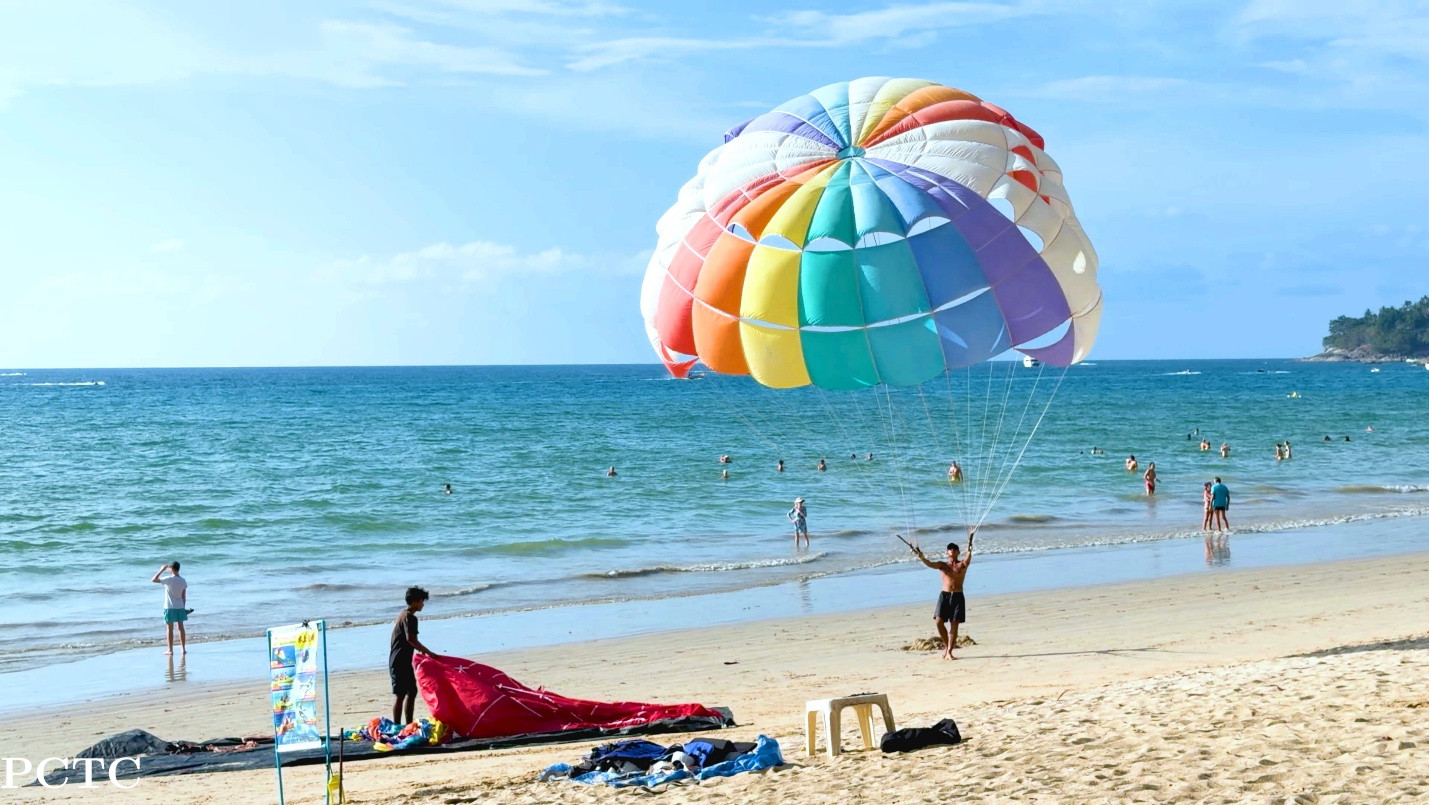
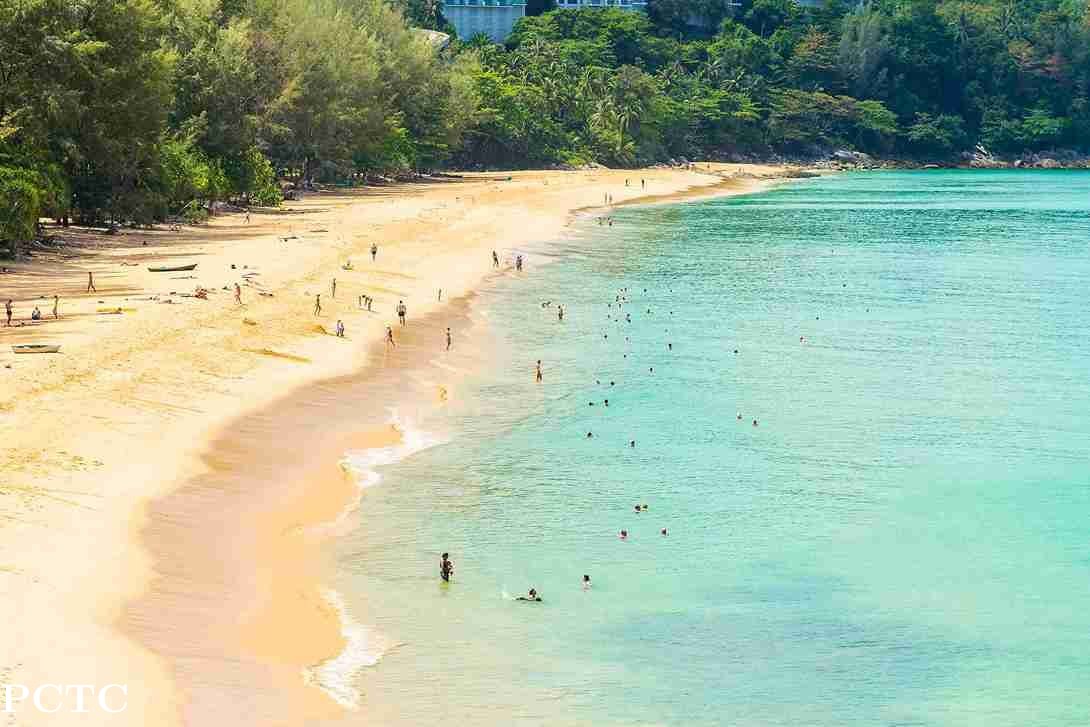
After finishing your museum visit, Highway 3180 leads directly toward Thung Wua Laen Beach, one of the province's most popular stretches of sand for swimming and beachfront dining. If you are travelling onward to the Gulf islands, the museum is an easy 30-minute taxi ride from the main high-speed catamaran piers at Thung Makham Noi. For travellers journeying further down the peninsula toward the Andaman coast, the site serves as a relaxing historical prelude before catching a scenic Krabi ferry transfer or continuing on to Phuket.
Suggested One-Day Cultural and Coastal Itinerary
To make the most of your time in Chumphon Province, combine historical sightseeing with local maritime landmarks across a relaxed single-day route.
- 9:00 AM – Chumphon National Museum: Arrive as the doors open to inspect the Khao Sam Kaeo trade beads, maritime maps, and prehistoric tool exhibits without any crowds.
- 11:00 AM – Prince of Chumphon Shrine (Sai Ri Beach): Drive south to Sai Ri Beach to pay respects at the memorial dedicated to Admiral Prince Abhakara Kiartivongse, Prince of Chumphon, revered as the father of the modern Royal Thai Navy. Beside the hillside shrine sits the retired torpedo boat HTMS Chumphon.
- 1:00 PM – Seafood Lunch at Pak Nam Chumphon: Stop at the bustling estuary fishing port for freshly grilled prawns, squid, and southern-style fish curries.
- 3:00 PM – Thung Wua Laen Beach: Spend a restful afternoon walking the soft sands, swimming in calm waters, or relaxing at an open-air beachfront café.
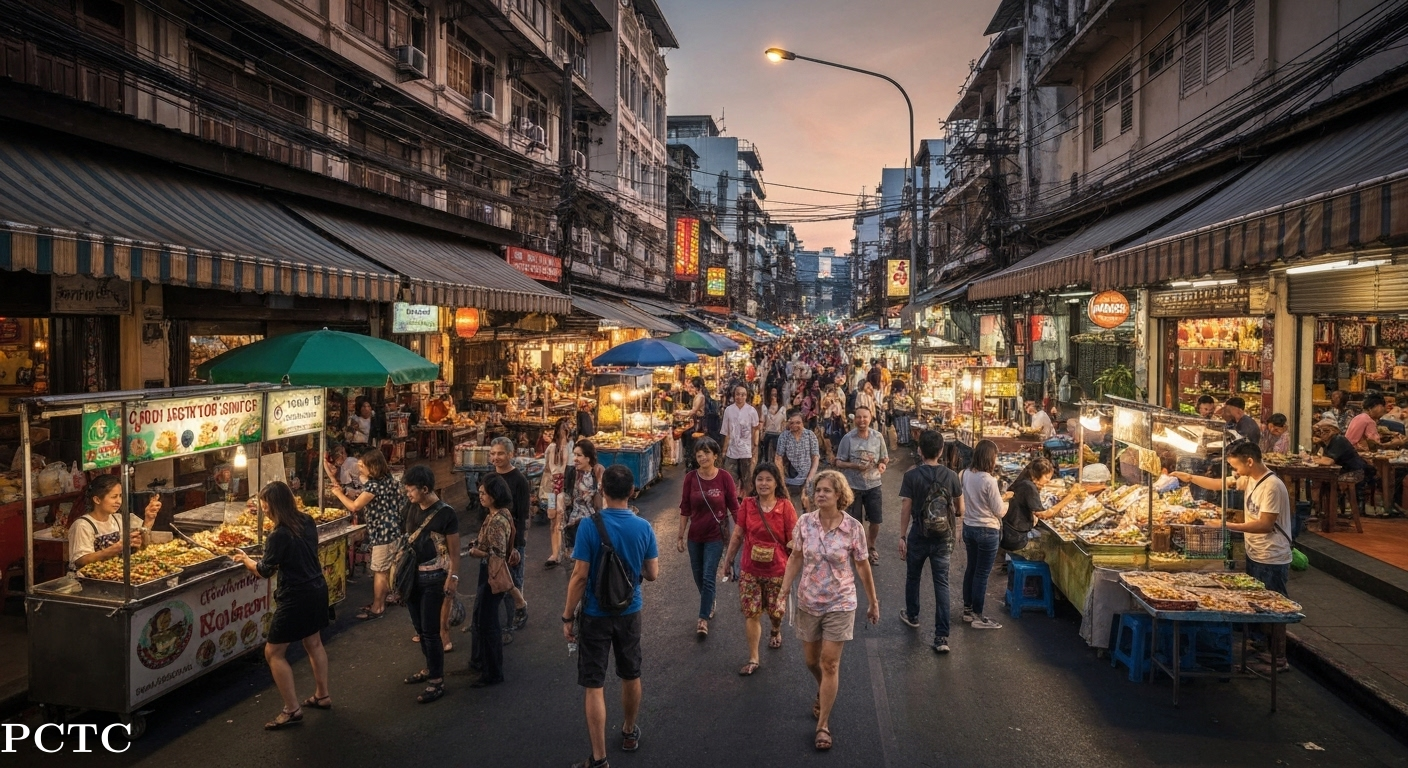
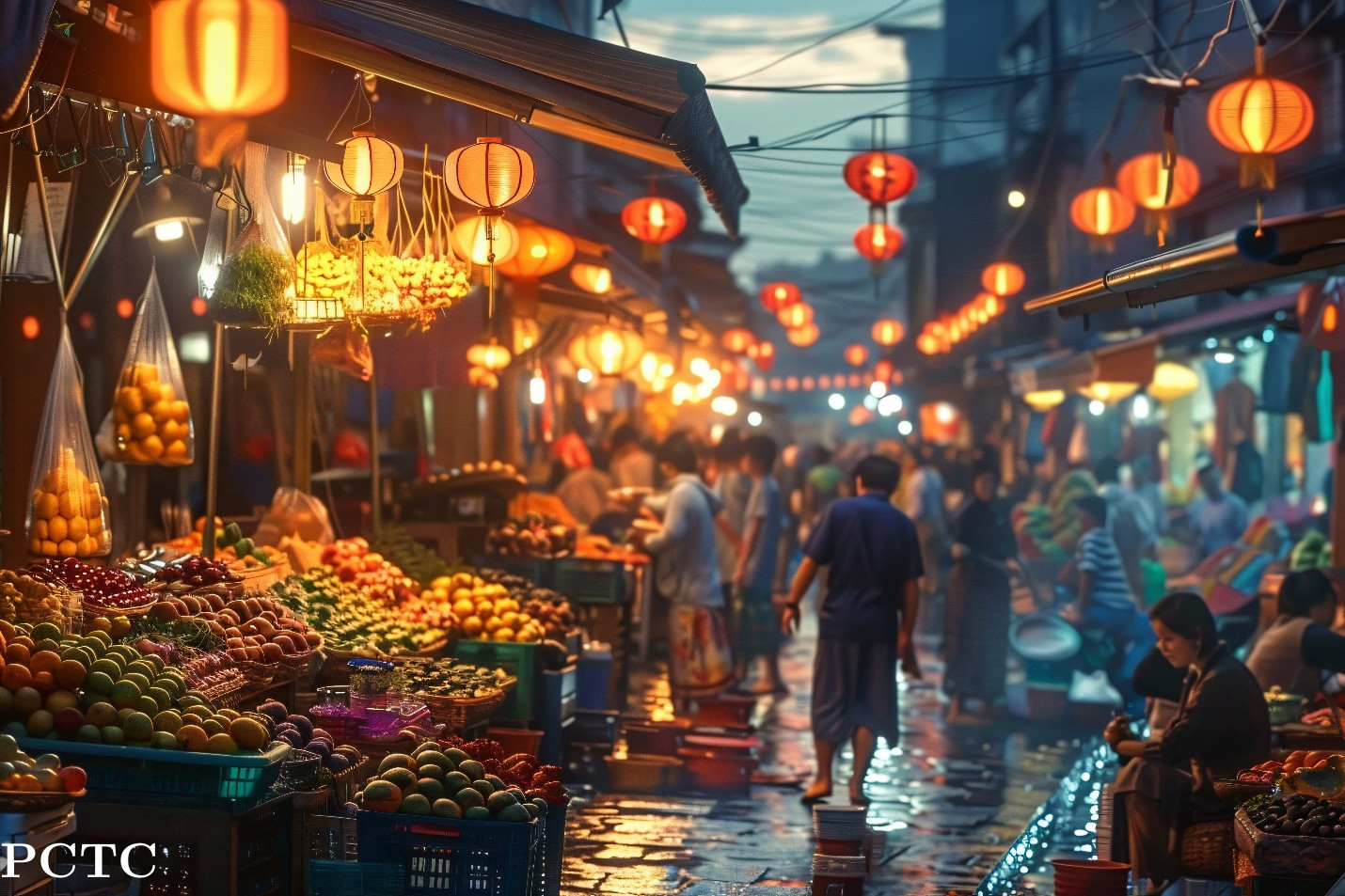
- 6:00 PM – Chumphon Night Market: Return to downtown along Krumluang Chumphon Road to sample roti, pad thai, and local tropical fruits.
Frequently asked questions
How long should I plan to spend at Chumphon National Museum?
Most travellers spend between 60 and 90 minutes exploring the museum. The rooms are well organized and easy to navigate, giving you plenty of time to read the English display plaques, examine the archaeological finds, and watch short documentary clips without feeling rushed.
Is the information in Chumphon National Museum available in English?
Yes. The museum features clear bilingual signage in both Thai and English across almost all primary exhibition galleries. Major historical summaries, artifact tags, and thematic display maps are fully accessible to international visitors.
Is Chumphon National Museum suitable for children and families?
The museum is very family-friendly. It features spacious flat floors, reliable air conditioning, and visual displays including scale boat models and historical dioramas that hold the interest of young learners much better than text-only galleries.
Which days of the week is the museum open?
Chumphon National Museum operates from Wednesday through Sunday, between 9:00 AM and 4:00 PM. It remains closed on Mondays, Tuesdays, and official Thai public holidays, so check your calendar carefully before setting out.
Can I visit the museum on the way to the Koh Tao ferry?
Yes, provided your travel schedule aligns with museum operating days and hours. If you arrive in Chumphon in the morning and have an afternoon ferry departure from the mainland piers, the museum offers a comfortable, educational stopover just a short taxi ride from town.
Planning a wider journey across Thailand's historic provinces? Explore our curated range of sightseeing packages, island excursions, and private vehicle transfers by booking a Pattaya cultural experiences tour or arranging custom transport for your next southern adventure.