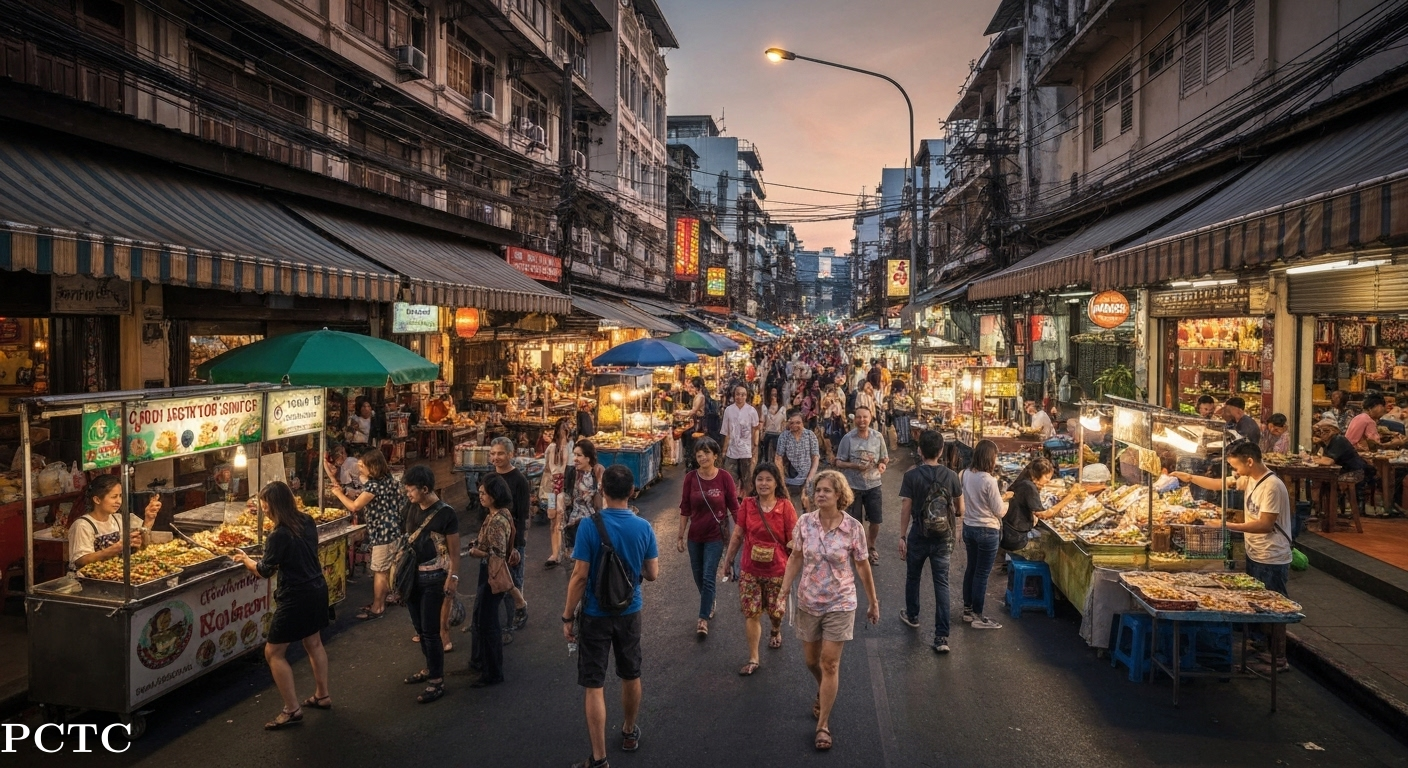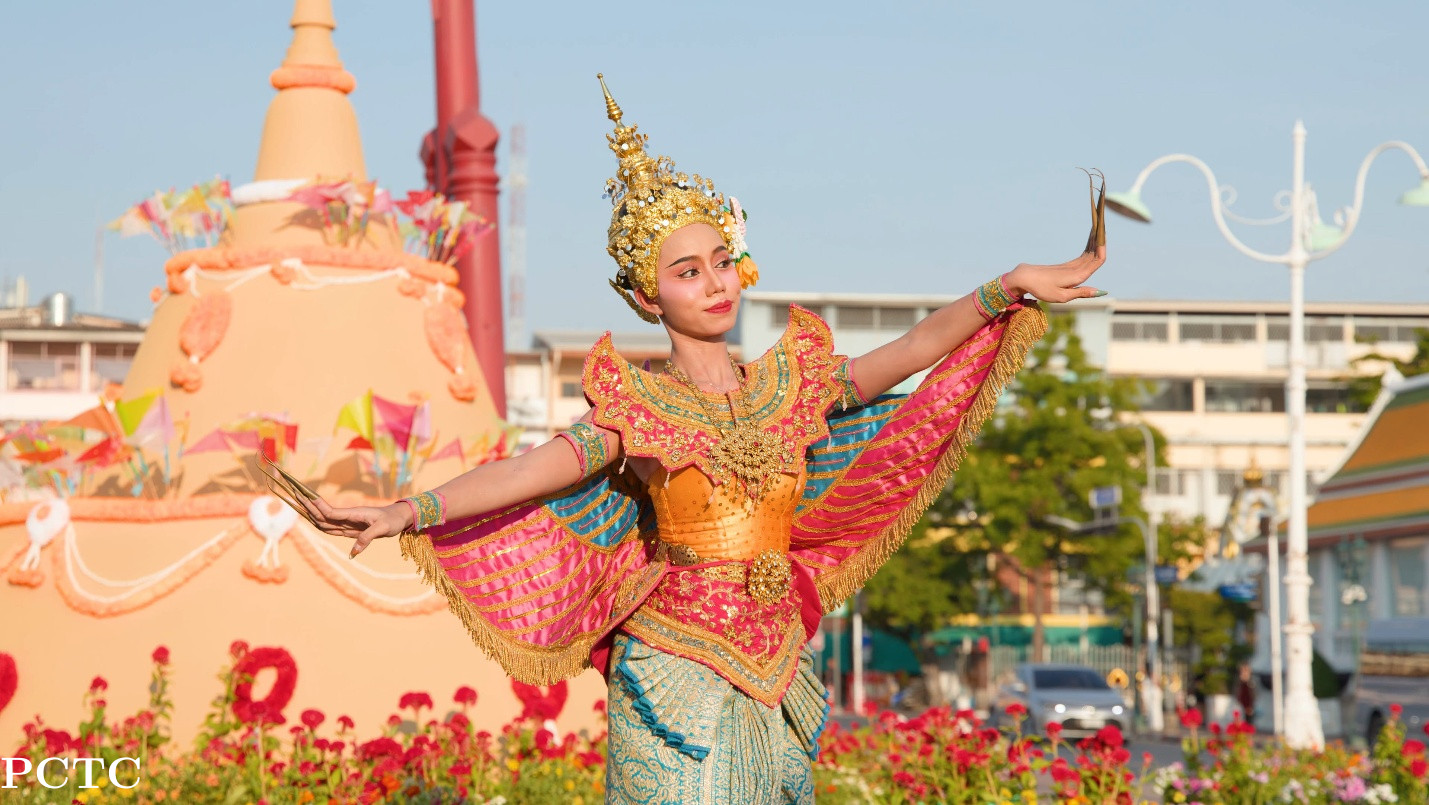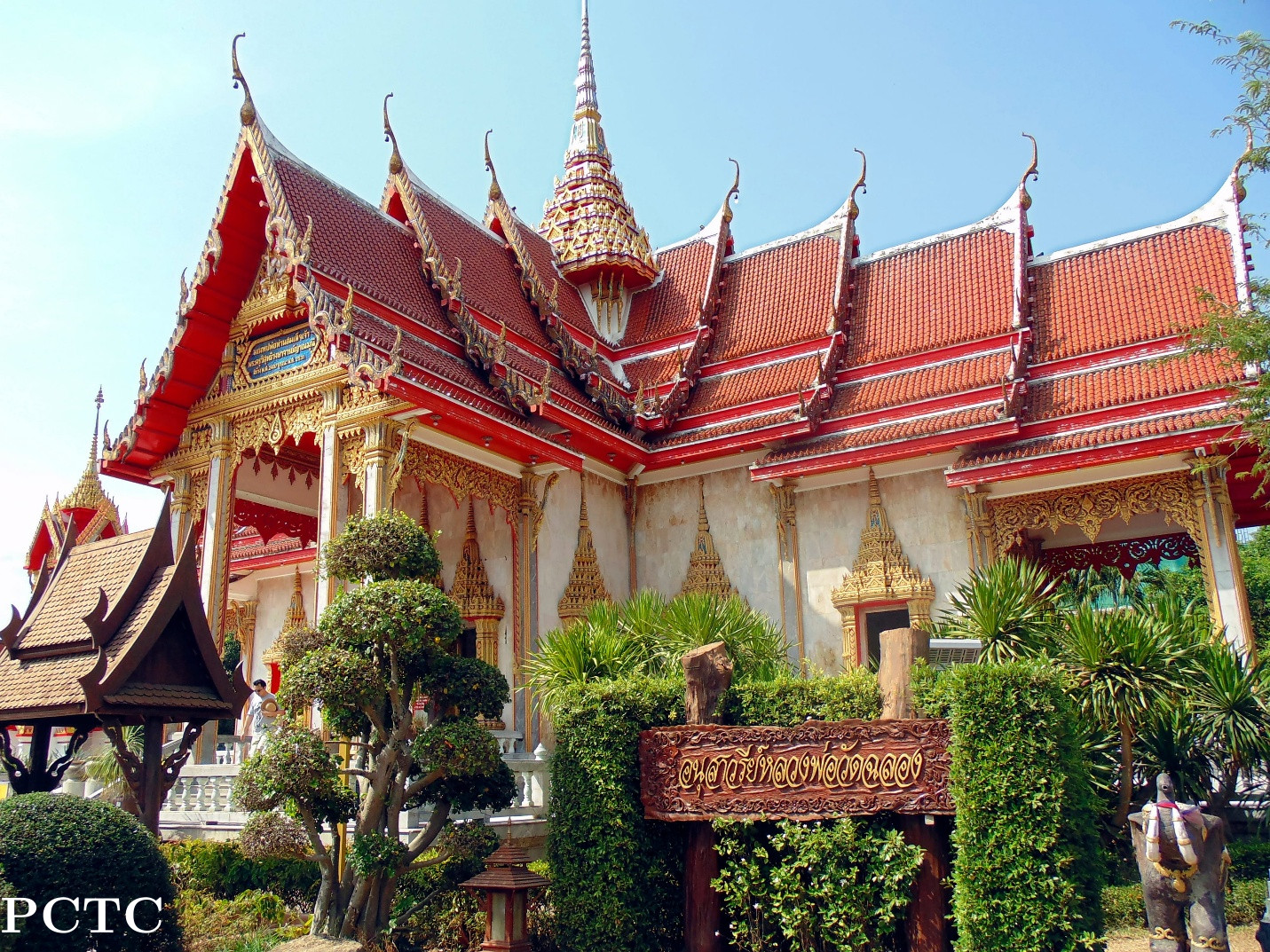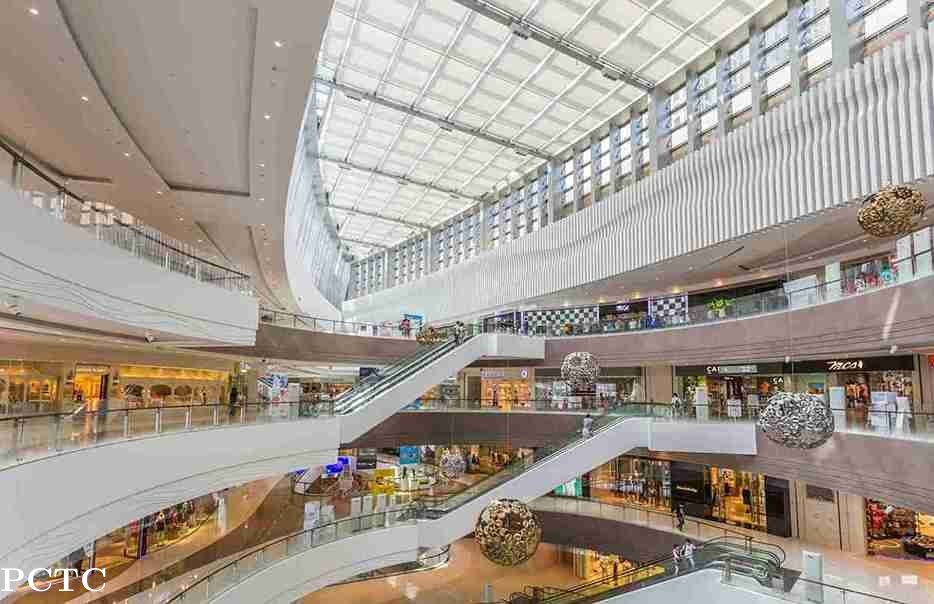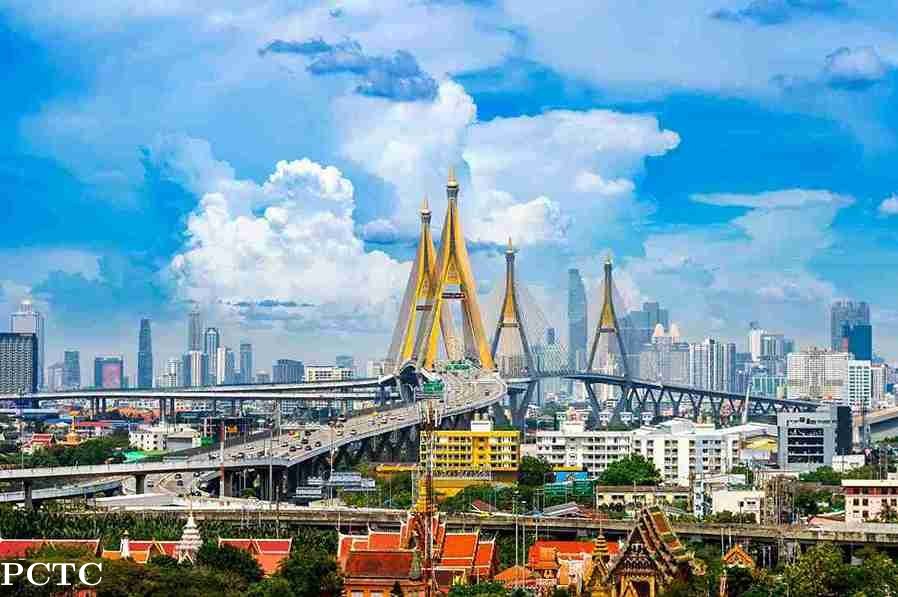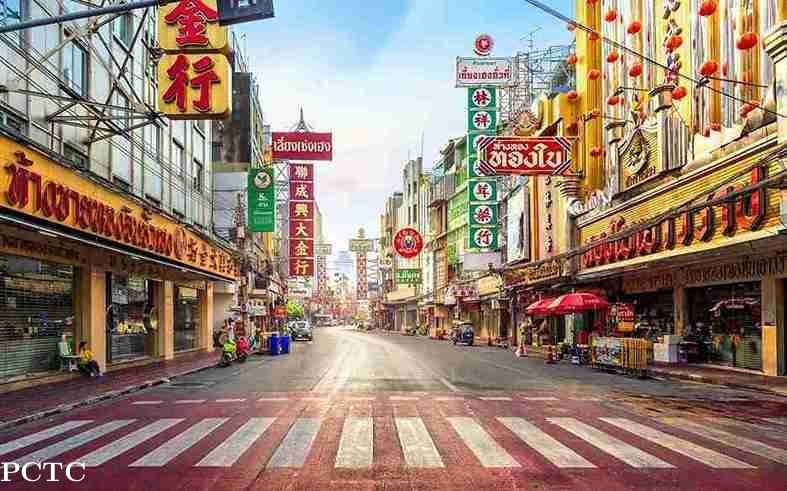
Some places in Bangkok are built primarily for curated photo stops. Walking down Yaowarat Road Bangkok is an entirely different experience. It pulls you into an exhilarating rhythm of glowing vertical neon signs, roaring charcoal burners, clattering woks, and more than a century of living history. As the beating heart of the capital's Thai-Chinese community, this broad avenue transitions from a bustling trade district by day into one of the planet's most celebrated open-air culinary destinations by dusk.
If you are planning an evening in Chinatown, having a clear game plan makes all the difference. Between shoulder-to-shoulder crowds, maze-like alleyways, and hundreds of sizzling food carts, first-time visitors can easily feel overwhelmed. Whether you follow our comprehensive guide to Yaowarat Chinatown or explore entirely on foot, this detailed overview covers the must-try dishes, daytime cultural landmarks, side-street hideaways, and practical transport tips you need for a smooth visit.
Highlights of Yaowarat Road Bangkok
Yaowarat Road offers a dynamic dual personality. During morning and afternoon hours, it serves as a commercial engine packed with gold merchants, traditional Chinese herbalists, and dry-goods wholesalers. When night arrives, the street completely reinvents itself into a vibrant dining strip.
The Evening Street Food Transformation
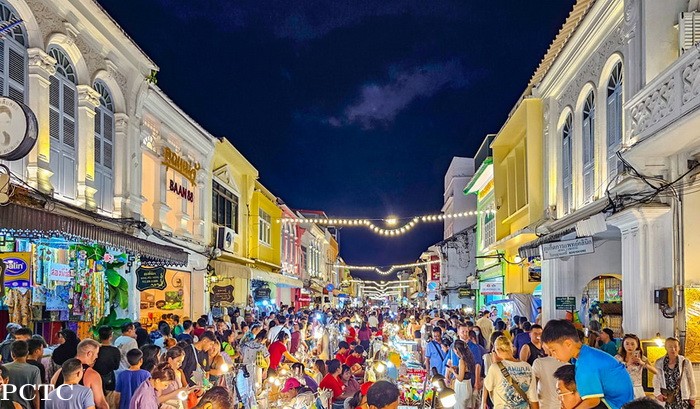
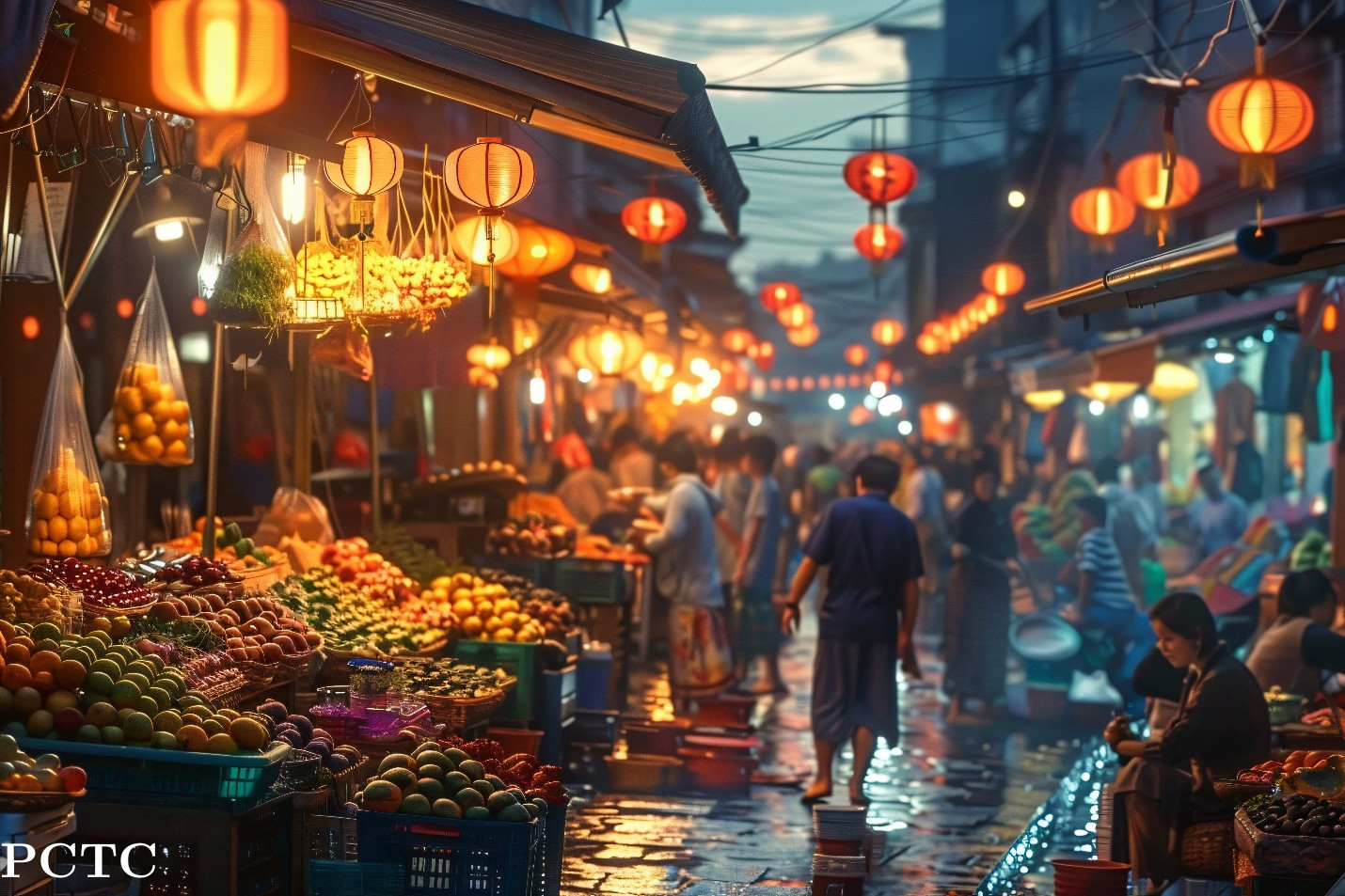
Around 6:00 PM, the daytime commercial tempo gives way to evening street theatre. Metal carts roll out along both curbs, tables and stools fan across the pavement, and massive neon signboards illuminate the avenue in crimson and gold. The aromas of cracked black pepper, roasted duck, garlic, and fresh mango fill the air as cooks work over high-heat woks right at the roadside.
Wat Traimit and Historic Heritage
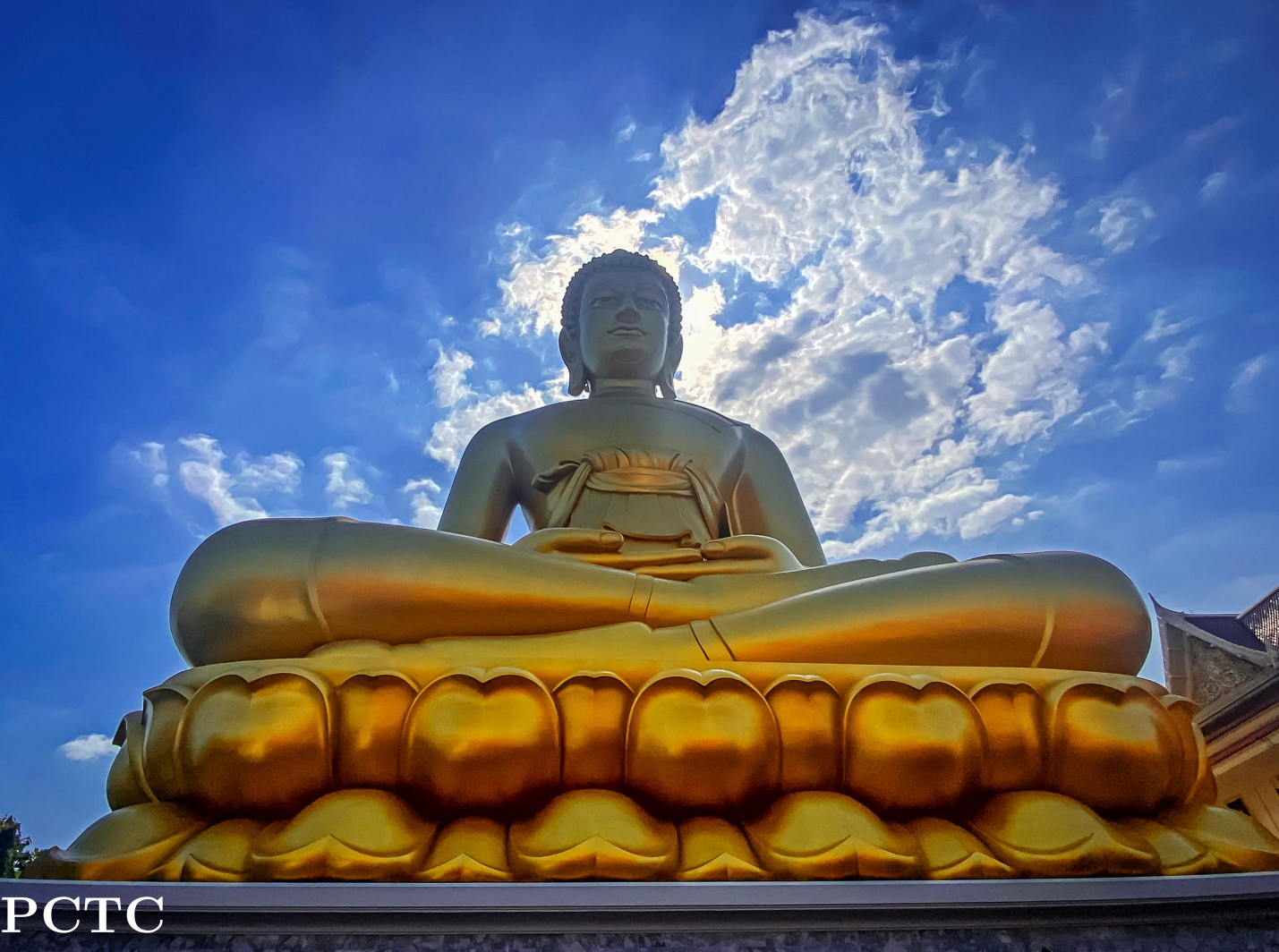
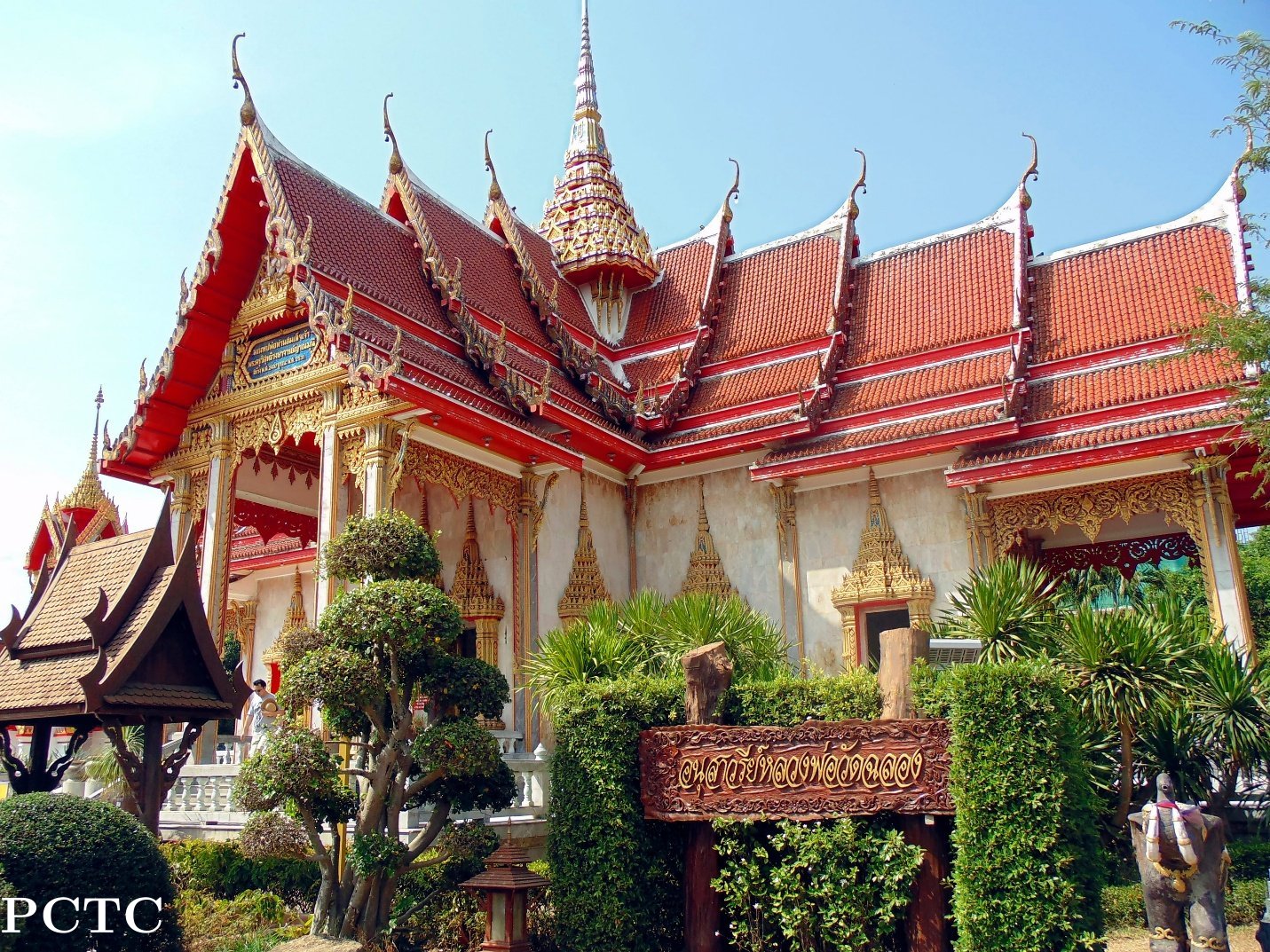
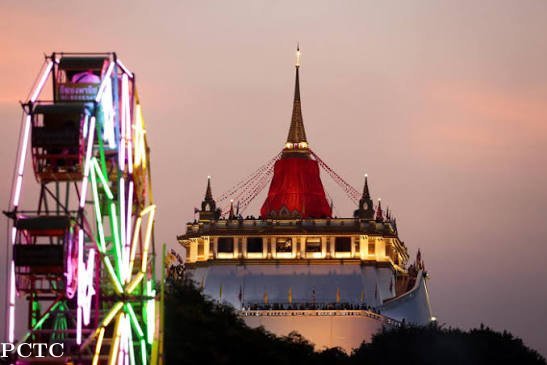
Near the eastern gateway to Chinatown stands Wat Traimit, home to the Golden Buddha. Weighing 5.5 tons, this solid-gold statue represents one of Thailand's most revered cultural treasures. Visiting during the daytime allows you to explore the temple's multi-level museum and view century-old shophouses before the dinner rush begins.
Sampeng Lane Wholesale Alleys
Running parallel to the main boulevard is Sampeng Lane, a famously narrow covered alleyway packed with wholesale vendors. From fabric and costume jewellery to quirky stationery and souvenirs, this daytime market offers an intense, authentic glimpse into Bangkok's traditional merchant trade.
What to Eat: Must-Try Dishes and Dining Style
Eating along Yaowarat requires a grazing strategy. Trying to settle into a single formal restaurant misses the point of the street. Plan to stroll slowly, pick up small portions from three or four stalls, and share dishes with your travel companions.
Signature Chinatown Specialties
Several iconic stalls have earned recognition in international food guides for good reason. Keep an eye out for these classic staples:
- Kuay Jab: Rolled rice noodle soup served in an intensely peppery clear broth with tender pork or crispy pork belly (Moo Krob).
- Charcoal-Toasted Buns: Soft bread rolls toasted over open embers and injected with fillings like pandan custard, chocolate, and sweetened condensed milk.
- Wok-Fried Seafood: Jumbo river prawns, steamed crab, and stir-fried morning glory cooked to order at fast-paced sidewalk stalls.
- Fresh Dim Sum and Dumplings: Steamed shrimp dumplings, pork shumai, and chive cakes served straight from towering bamboo steamers.
- Dessert Soups and Mango: Bowls of sweet ginger soup with sesame dumplings (Bua Loy Nam Khing) and chilled fresh fruit.
Tips for Vegetarian and Dietary Preferences
While traditional Thai-Chinese street food relies heavily on pork and seafood, travellers with specific dietary requirements can still eat well. Look for fruit stands, freshly squeezed pomegranate juice, toasted sweet buns, and fried vegetarian spring rolls. During the annual vegetarian festival in autumn, the entire street adopts a plant-based menu with yellow flag markers, though vegetarian noodle and tofu options are accessible year-round if you ask stall vendors for 'Jay' (vegan) food.
Exploring Beyond the Main Food Strip
While the food carts along the central thoroughfare draw the largest crowds, stepping a block or two away reveals a quieter, creative layer of Chinatown.
Nightlife and Shophouse Cafes on Soi Nana
Not to be confused with Sukhumvit's Nana district, Chinatown's Soi Nana is a trendy lane lined with restored pre-war wooden shophouses. In recent years, independent creatives have converted these heritage structures into atmospheric cocktail lounges, art spaces, and specialty coffee houses. It is an ideal spot to sit down for a drink once you finish eating along the main strip.
Atmospheric Shrines and Photography
Tucked into the side sois (alleys) are community shrines adorned with hand-carved dragons, incense burners, and hanging red lanterns. Photographers will appreciate the dramatic contrast between ancient spiritual corners and the cinematic blur of motorbikes and glowing neon on the main road.
Combining Chinatown with Bangkok Sightseeing
Because Yaowarat peaks in the evening, pairing it with daytime sightseeing makes efficient use of your holiday schedule. You can spend the morning exploring the Grand Palace or boarding river ferries at historic river piers near Wat Pho, take an afternoon break, and arrive in Chinatown just before sundown.
If you prefer an organized overview of the capital's top landmarks before heading out to dine, booking a guided Bangkok City Tour ensures you see key temples and cultural districts with seamless private transportation. For travellers who want to sample authentic culinary favourites from the comfort of an air-conditioned double-decker bus, the Thai Bus Food Tour provides another unique way to appreciate Bangkok's food culture while viewing illuminated monuments.
Practical Tips for First-Time Visitors
Navigating Yaowarat is rewarding, but a few small preparations will prevent common travel headaches.
Timing and Scheduling
Arrive around 6:00 PM. Vendors begin setting up between 5:30 PM and 6:00 PM, giving you roughly an hour to wander comfortably before peak crowds peak between 7:30 PM and 9:00 PM. Note that street vendors are off the road on Mondays due to citywide street cleaning, though permanent shophouse restaurants remain open.
Cash and Queuing Etiquette
Street food vendors operate almost exclusively on cash. Carry Thai Baht in smaller denominations (20, 50, and 100 Baht notes) to make quick transactions effortless. If you encounter an enormous line at an internationally famous cart, do not hesitate to step into a neighbouring vendor with a steady stream of local diners—freshness and turnover remain remarkably high across the entire district.
How to Reach Yaowarat Road
Public transport improvements have made getting into Chinatown straightforward, eliminating the need to sit through gridlocked road traffic.
- By MRT (Subway): Ride the MRT Blue Line directly to Wat Mangkon Station. Take Exit 2, and you will emerge in the centre of Chinatown, just a two-minute walk from Yaowarat Road.
- By Chao Phraya Express Boat: Take the river boat to Ratchawong Pier (N5). Walk straight up Ratchawong Road for roughly five minutes to hit the main intersection.
- By Taxi or Private Transfer: Taxis, tuk-tuks, and pre-booked private taxi and airport transfers offer direct door-to-door comfort, which is especially convenient for families or late-night returns to your hotel.
Frequently asked questions
What is the best dish to try on Yaowarat Road?
Must-try specialties include Kuay Jab (rolled rice noodle soup in peppery broth), crispy pork belly, fresh charcoal-toasted custard buns, grilled jumbo prawns, and dim sum. Save room for dessert stalls serving sweet ginger soup with sesame dumplings or fresh mango.
Is street food on Yaowarat Road safe to eat?
Yes, street food along Yaowarat Road is generally very fresh due to rapid customer turnover. Ingredients are cooked at high heat directly in front of you. Choose stalls with active customer queues and clean prep stations for the best experience.
How long should you spend at Yaowarat Road?
Plan to spend between 2 and 3 hours. This gives you ample time to stroll the illuminated strip, queue for popular dishes, explore a quiet side alley or dessert shop, and photograph the neon signs without feeling rushed.
Why are some street stalls closed on Mondays?
Bangkok enforces citywide street cleaning on Mondays. While permanent indoor restaurants and modern shophouse bars remain open, many independent roadside pushcarts and stalls are not permitted to set up on the pavement.
What is the easiest way to reach Yaowarat Road?
The most convenient route is taking the MRT Blue Line to Wat Mangkon Station. Leaving through Exit 2 places you right in the middle of Chinatown, only a two-minute walk from the main street food strip.
Ready to discover Bangkok's dynamic street culture and heritage? Book your airport rides and explore our curated Bangkok city tour options with Pattaya City Tour Co., Ltd. for an easy, memorable holiday in Thailand.