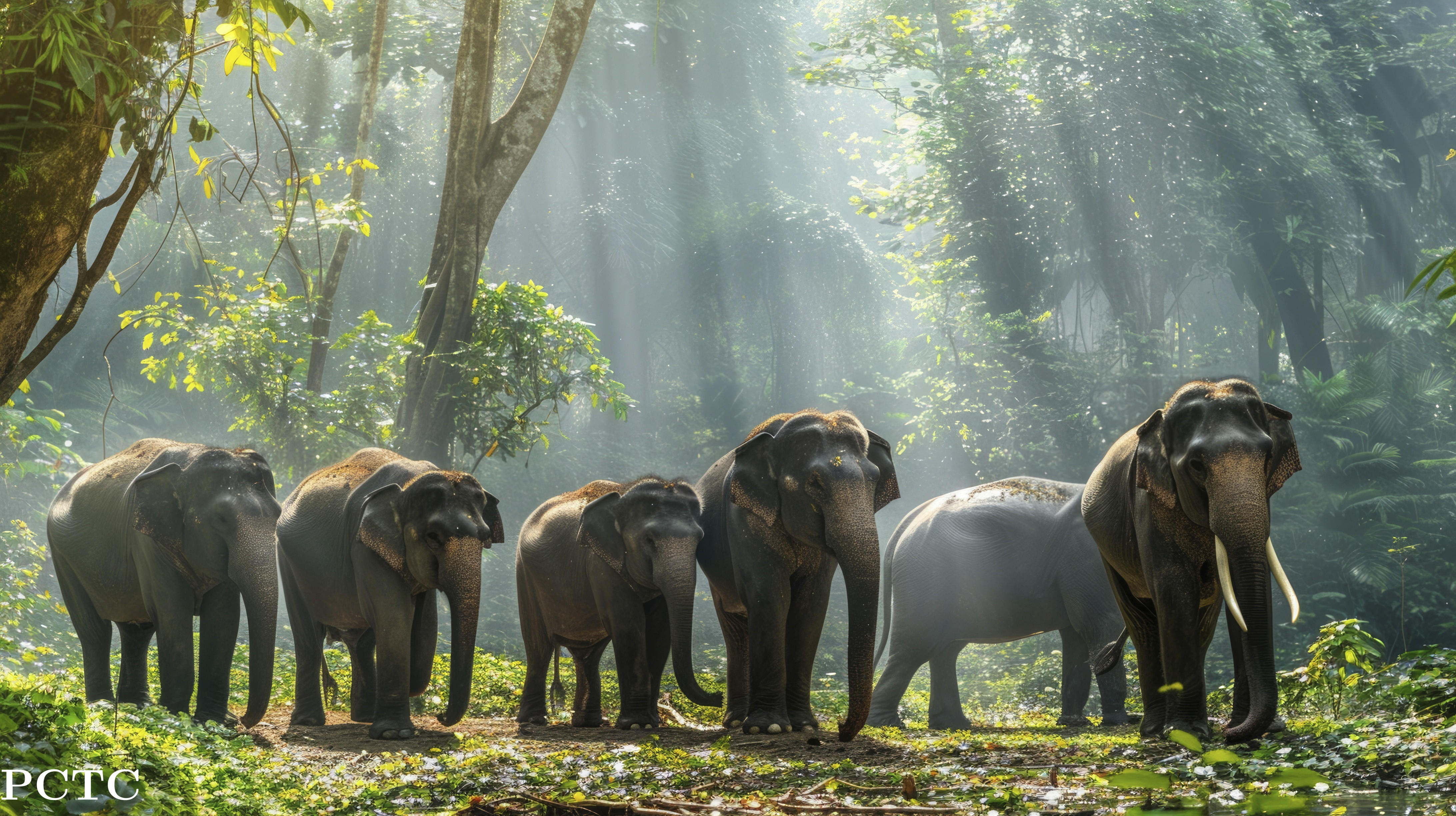
Elephant Jungle Sanctuary Thailand, Ethical Elephant Experience in Chiang Mai
Elephant Jungle Sanctuary Thailand
Deep in the lush mountains surrounding Chiang Mai, Elephant Jungle Sanctuary Thailand offers an extraordinary encounter that transforms how visitors understand these magnificent creatures. Unlike traditional tourist attractions, this ethical sanctuary prioritises elephant welfare over entertainment, and creates authentic moments where gentle giants roam freely through their natural habitat. With over 7,000 five-star reviews, the experience promises unforgettable connections that leave lasting impressions on every visitor's heart.
Home Elephant Jungle Sanctuary Thailand
The sanctuary stands as a beacon of ethical elephant tourism in northern Thailand, providing a stark contrast to traditional camps that exploit these magnificent creatures for entertainment. Unlike establishments such as Elephant Nature Park, which focuses primarily on rescue and rehabilitation, Elephant Jungle Sanctuary emphasizes authentic interactions that honor the elephants' natural behaviors while supporting local communities through sustainable tourism practices.
Follow in My Footsteps
The journey to connect with rescued elephants begins with understanding what awaits beyond the sanctuary gates. Elephant jungle sanctuary reviews consistently highlight the transformative nature of this half-day adventure, where visitors trade tourist spectacle for meaningful interaction.
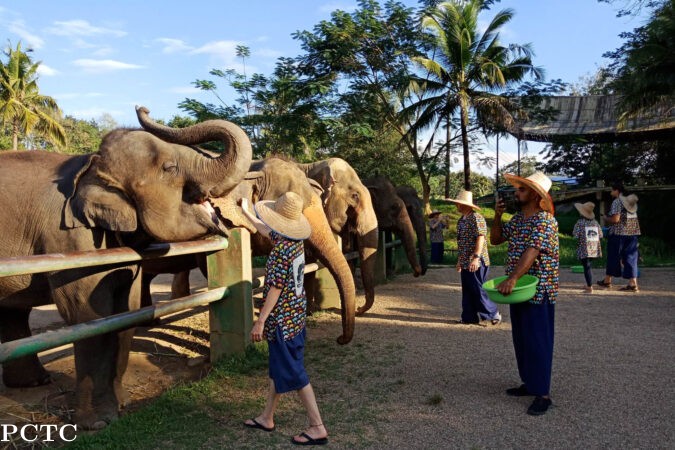
Within minutes of arrival, the mountain sanctuary reveals its carefully orchestrated approach to elephant welfare. Chiangmai Elephant Sanctuary reviews emphasize how the experience unfolds naturally—from the first glimpse of gentle giants roaming freely through dense jungle paths to the profound moment of silent understanding that passes between human and elephant during feeding time.
Chiang Mai's Elephant Jungle
Nestled in the lush mountains surrounding Thailand's cultural capital, this sanctuary in Thailand represents one of the most accessible ethical elephant experiences in Southeast Asia. The facility operates multiple programs daily, welcoming visitors who seek meaningful wildlife encounters without the exploitation common in traditional elephant tourism.
What sets this sanctuary apart is its commitment to rescue and rehabilitation—each elephant here has been saved from logging operations, street begging, or circus performances. The half-day experience draws thousands of visitors annually, creating a sustainable model that funds ongoing elephant care while educating tourists about conservation challenges facing these magnificent creatures throughout the region.
Follow in My Footsteps Through Chiang Mai's Elephant Jungle
The transition from observer to participant happens gradually at this jungle sanctuary in Thailand. What begins as cautious wonder transforms into confident interaction as visitors learn to read elephant body language and respond to their gentle giants' unique personalities. Each rescued elephant carries their own story of rehabilitation, creating authentic connections that extend far beyond typical tourist encounters.
The sanctuary's approach emphasises natural behaviours over performance, allowing elephants to demonstrate their intelligence through problem-solving activities rather than tricks. This methodology creates meaningful exchanges where visitors witness genuine elephant communication patterns and social hierarchies. Understanding these booking options becomes essential for maximising your sanctuary experience.
What is the best way to book a visit to the Elephant Jungle Sanctuary in Chiang Mai?
Securing your spot at this ethical elephant sanctuary requires advance planning, particularly during peak tourist seasons. Multiple booking platforms serve visitors, with Pattayacitytour offering comprehensive half-day packages that include hotel transfers and a traditional Thai lunch.
The sanctuary operates similar experiences across Thailand, including the popular Elephant Jungle Sanctuary Phuket location, which helps maintain consistent ethical standards. Booking directly through established tour operators typically provides better customer protection and clearer cancellation policies than informal arrangements.
Most platforms require 24-48 hours' advance notice, though same-day availability occasionally exists during quieter periods. However, understanding proper interaction protocols becomes essential once your reservation is confirmed.
Are there any specific guidelines for interacting with elephants at the sanctuary?
Respectful elephant interaction follows clear behavioural protocols established by trained mahouts at the sanctuary. Visitors must approach elephants slowly from the side, never from behind, allowing these gentle giants to acknowledge your presence before making contact. Touch is limited to the trunk, forehead, and sides using flat palms rather than fingertips.
The feeding guidelines mirror those used at Elephant Jungle Sanctuary Pattaya, where bananas and sugar cane are offered with open palms to prevent accidental nips. Photography requires maintaining an appropriate distance during bathing sessions, as sudden movements or flash can startle the elephants.
No climbing, riding, or forcing interactions form the cornerstone of ethical engagement, ensuring both visitor safety and elephant welfare throughout your morning encounter.
What time of year is ideal for visiting the Elephant Jungle Sanctuary in Chiang Mai?
Cool season (November to February) offers the most comfortable conditions for your visit to the sanctuary, with temperatures ranging 60-80°F, and minimal rainfall. This period provides optimal weather for outdoor activities like mud bathing and feeding elephants without excessive heat or humidity. The dry season (March to May) brings warmer temperatures but remains manageable for morning tours, though afternoons can reach 95°F. Rainy season (June to October) presents unique advantages despite occasional showers - lush greenery creates stunning backdrops, and elephants enjoy cooler temperatures from frequent rain.
However, the sanctuary operates year-round with covered areas and flexible scheduling to accommodate weather conditions, ensuring memorable experiences regardless of season.
Can I take photographs during my visit to the Elephant Jungle Sanctuary?
Photography is actively encouraged throughout your visit to the elephant sanctuary experience. The sanctuary welcomes guests to capture memorable moments with these magnificent animals, understanding that photos help spread awareness about ethical elephant tourism and conservation efforts.
Professional photographers often accompany groups to ensure you get high-quality shots of feeding sessions, mud baths, and peaceful interactions. However, flash photography is strictly prohibited as it can startle or distress the elephants. Natural lighting provides the best results anyway, especially during golden hour moments.
Most guests find that action shots during feeding time and candid moments of elephants playing in mud create the most compelling images. The sanctuary's open environment and relaxed atmosphere make it easy to capture authentic interactions without feeling rushed or restricted in your photography approach.
What kind of clothing and gear should I bring for a day at the Elephant Jungle Sanctuary?
Comfortable, weather-appropriate clothing forms the foundation of your sanctuary preparation. Wear lightweight, quick-dry fabrics that can handle mud, water, and elephant interactions throughout your half-day adventure.
Essential clothing items include closed-toe shoes with good grip (sneakers or hiking boots work best), long pants to protect against scratches, and a moisture-wicking shirt you don't mind getting dirty. Based on Chiang Mai reviews, visitors frequently mention getting splashed during bathing activities, so it's recommended to bring a change of clothes for afterwards. Pack these essentials: sunscreen (minimum SPF 30), insect repellent, a waterproof phone case, and a small backpack for personal items. The sanctuary provides basic amenities, but having your own sun protection, and hydration supplies ensures maximum comfort during your elephant encounter. Since you'll want to stay comfortable throughout your experience and return to your accommodation feeling refreshed, proper preparation makes all the difference in your overall enjoyment.
Are there any nearby accommodations recommended for visitors to the Elephant Jungle Sanctuary?
Strategic accommodation placement enhances your sanctuary experience significantly. The Old City area offers boutique hotels and guesthouses within easy reach of tour pickup points, while Nimman district provides modern accommodations with excellent restaurant access for post-visit dining.
Many visitors consulting Chiang Mai reviews recommend staying near Chang Khlan Road or Tha Phae Gate for convenient transportation access. These central locations typically offer complimentary pickup services from most tour operators, eliminating transportation concerns entirely.
Budget-conscious travelers often choose accommodations along Ratchadamnoen Road, where numerous hostels and mid-range hotels provide comfortable bases. The proximity to Chiang Mai's cultural sites allows you to combine your elephant experience with temple visits and local market exploration, maximizing your itinerary efficiency while planning your journey to the sanctuary.
What are the transportation options to reach the Elephant Jungle Sanctuary from the Chiang Mai city center?
Complimentary hotel pickup represents the most convenient transportation option, with most operators offering door-to-door service from central Chiang Mai accommodations. The Elephant Jungle Sanctuary experience typically includes round-trip transportation in air-conditioned vehicles for groups of 8-12 participants.
Self-driving remains possible for independent travellers, though the sanctuary's location, approximately 60 kilometres south of the city, requires careful navigation through rural mountain roads. However, sanctuary Chiang Mai reviews consistently recommend the included transportation service, as local drivers possess essential knowledge of seasonal road conditions and optimal routes through the Mae Wang district's winding terrain that can challenge unfamiliar visitors navigating independently.
There are currently about five elephant sanctuaries available in Chiang Mai
Chiang Mai's elephant sanctuary landscape offers visitors multiple ethical wildlife experiences beyond the Elephant Jungle Sanctuary. The region hosts approximately five established sanctuaries, each emphasising elephant nature conservation and rehabilitation programs. These facilities range from half-day experiences to overnight stays, providing diverse approaches to elephant interaction and education. While some focus on feeding and bathing activities, others emphasise observation-based encounters that minimise direct contact with these magnificent animals, creating a competitive yet complementary sanctuary ecosystem throughout northern Thailand.
Elephant Jungle Sanctuary Chiang Mai reviews
Visitor feedback consistently highlights the transformative nature of this ethical nature park experience. emphasise the authentic interactions and educational value, with many guests noting how the experience exceeded their expectations compared to traditional elephant tourism.
Common praise centres on the knowledgeable guides who share compelling elephant rescue stories and conservation insights. However, some visitors mention that weather conditions can impact the mud spa activities, particularly during the rainy season when paths become slippery and outdoor experiences may feel rushed.
Elephant Jungle Sanctuary reviews
Sanctuary reviews paint a compelling picture of visitor satisfaction across multiple platforms. The overwhelming consensus among guests centres on the authentic connections formed with these gentle giants in their natural habitat.
Most reviewers emphasise the educational value of learning about elephant behaviour, conservation efforts, and the sanctuary's rescue mission. Feeding and bathing interactions consistently rank as highlight moments that create lasting memories for families and solo travellers alike.
While the majority of feedback remains positive, some visitors note the physical demands of the jungle terrain and suggest wearing appropriate footwear. The sanctuary's commitment to ethical practices resonates strongly with travellers seeking meaningful wildlife encounters rather than entertainment-focused experiences, setting the stage for similar ethical operations expanding to other Thai destinations.
Elephant Jungle Sanctuary Phuket
The Elephant Jungle Sanctuary network extends beyond Chiang Mai to Thailand's southern island of Phuket, offering similar ethical elephant experiences in a tropical setting. While the core philosophy remains consistent across locations, the Phuket sanctuary provides a unique coastal alternative for visitors exploring Thailand's diverse regions.
Jungle sanctuary reviews from Phuket locations often emphasise the different landscape and climate compared to the northern facilities. The southern sanctuary maintains the same no-riding policy and rehabilitation focus, creating a consistent ethical standard that helps establish Elephant Jungle Sanctuary as Thailand's leading responsible elephant tourism provider across multiple destinations.
Best elephant sanctuary in Chiang Mai
Elephant Jungle Sanctuary consistently ranks among Chiang Mai's top ethical elephant experiences, earning recognition for its no-riding policy and rehabilitation focus. The sanctuary's authentic approach to elephant care sets it apart from traditional tourist attractions that prioritise entertainment over animal welfare.
What distinguishes the best sanctuaries is their commitment to education and conservation. Visitors learn about elephant behaviour, the mahout tradition, and ongoing rescue efforts while participating in meaningful interactions. The sanctuary's expansion to locations like Sanctuary Phuket demonstrates the growing demand for responsible elephant tourism across Thailand.
The combination of ethical practices, educational value, and memorable experiences positions Elephant Jungle Sanctuary as a leading choice for conscious travellers seeking authentic wildlife encounters in northern Thailand.
What is the best way to book a visit to the Elephant Jungle Sanctuary in Chiang Mai?
Direct booking through major platforms offers the most reliable path to securing your sanctuary experience. Pattayacitytourcoltd provide instant confirmation, competitive pricing, and most half-day tours are priced around $35-45 per person, including hotel transfers. Book at least 24-48 hours in advance to guarantee availability, especially during peak tourist seasons. The sanctuary operates similar booking systems to their jungle sanctuary Phuket location, requiring advance reservations to maintain small group sizes essential for ethical elephant interactions. Understanding the sanctuary's specific interaction guidelines becomes crucial once your booking is confirmed.
Are there any specific guidelines for interacting with elephants at the sanctuary?
Clear interaction protocols ensure both visitor safety and elephant welfare during your sanctuary experience. Guests must maintain a respectful distance unless guided by mahouts, avoid sudden movements, and never approach elephants from behind, where they cannot see you approaching.
Physical contact follows strict supervision - touching is only permitted when mahouts guide the interaction, typically during feeding sessions and mud spa activities. Flash photography is prohibited as it can startle the animals, while loud noises and running are discouraged throughout the facility.
Similar guidelines apply across Thailand's ethical elephant tourism network, including locations like sanctuary pattaya and other reputable facilities. The emphasis remains on elephant-first policies where animal comfort takes priority over visitor desires, creating meaningful encounters that respect these gentle giants' natural behaviors and stress levels.
What time of year is ideal for visiting the Elephant Jungle Sanctuary in Chiang Mai?
Thailand's cool season from November through February presents optimal conditions for your elephant sanctuary adventure. During these months, temperatures remain comfortable for both outdoor activities and elephant interactions, with minimal rainfall disrupting your experience.
The dry season extends through April, though March and April bring increasing heat that can make midday activities more challenging. Many visitors find early morning tours particularly refreshing during these warmer months, when elephants are most active, and temperatures remain manageable.
The rainy season runs from May through October, creating lush jungle landscapes but potentially affecting transportation and outdoor activities. However, similar to other sanctuaries like the jungle sanctuary Pattaya, many facilities operate year-round with covered areas and flexible scheduling to accommodate weather conditions. Peak tourist months of December and January require advance booking, as sanctuary slots fill quickly during Thailand's high season. Your memorable encounter with these gentle giants awaits, regardless of season, with each bringing unique advantages to your half-day adventure.
Can I take photographs during my visit to the Elephant Jungle Sanctuary?
Photography is absolutely encouraged throughout your sanctuary visit, with the elephants serving as magnificent subjects for memorable photos. The sanctuary welcomes visitors to capture their experiences, though respectful distance photography ensures both your safety and the elephants' comfort during feeding, bathing, and interaction sessions.
Professional guides often assist with photo opportunities, positioning you for the best angles while maintaining appropriate boundaries. Flash photography should be avoided as it can startle the elephants, but natural lighting during morning visits typically provides excellent conditions for both smartphone and camera photography.
Having the right gear and clothing will enhance your photo opportunities while keeping you comfortable during these magical moments.
What kind of clothing and gear should I bring for a day at the Elephant Jungle Sanctuary?
Comfortable, old clothing represents the ideal wardrobe choice for your sanctuary adventure, as mud and water encounters are virtually guaranteed during elephant interactions. Closed-toe shoes with good grip prove essential for navigating muddy terrain safely, while bringing a complete change of clothes ensures post-visit comfort for your return journey to Chiang Mai.
How does the Elephant Jungle Sanctuary contribute to elephant conservation efforts?
The Elephant Jungle Sanctuary operates as a rescue and rehabilitation centre that provides lifelong care for elephants retired from the tourism and logging industries. Rather than breeding programs, the sanctuary focuses on creating sustainable habitats where rescued elephants can live naturally without performing tricks or giving rides.
Educational outreach forms a cornerstone of their conservation strategy, with each visitor experience designed to increase awareness about elephant welfare and the threats facing wild populations. The sanctuary's no-riding policy demonstrates ethical tourism practices that other facilities increasingly adopt across Thailand.
Beyond direct elephant care, the sanctuary supports local community conservation by employing mahouts as caretakers rather than trainers, preserving traditional elephant-human relationships while eliminating exploitative practices. This sustainable employment model helps reduce economic pressure that historically drove elephant exploitation in the region, creating a framework that other accommodation providers in the area can observe and potentially emulate.
Are there any nearby accommodations recommended for visitors to the Elephant Jungle Sanctuary?
Most visitors stay in Chiang Mai city centre and take advantage of the sanctuary's convenient pickup services rather than seeking accommodation near the remote sanctuary location. The sanctuary operates from mountainous areas outside the city, where lodging options remain extremely limited.
Boutique hotels and guesthouses in Chiang Mai's Old Quarter offer the perfect base, providing easy access to both the sanctuary's transportation services and the city's cultural attractions for your remaining time in Thailand.
What are the transportation options to reach the Elephant Jungle Sanctuary from the Chiang Mai city center?
Most visitors benefit from the complimentary pickup service included with sanctuary bookings, eliminating transportation concerns entirely. Tour operators typically collect guests from hotels throughout the Chiang Mai city centre between 8:00 and 8:30 AM for morning sessions.
The sanctuary's remote location in the Mae Taeng district makes independent travel challenging for most tourists, as it requires navigating winding mountain roads approximately 45-60 minutes from downtown Chiang Mai. This pickup service ensures safe, reliable transport while allowing visitors to enjoy the scenic mountain journey without driving stress.