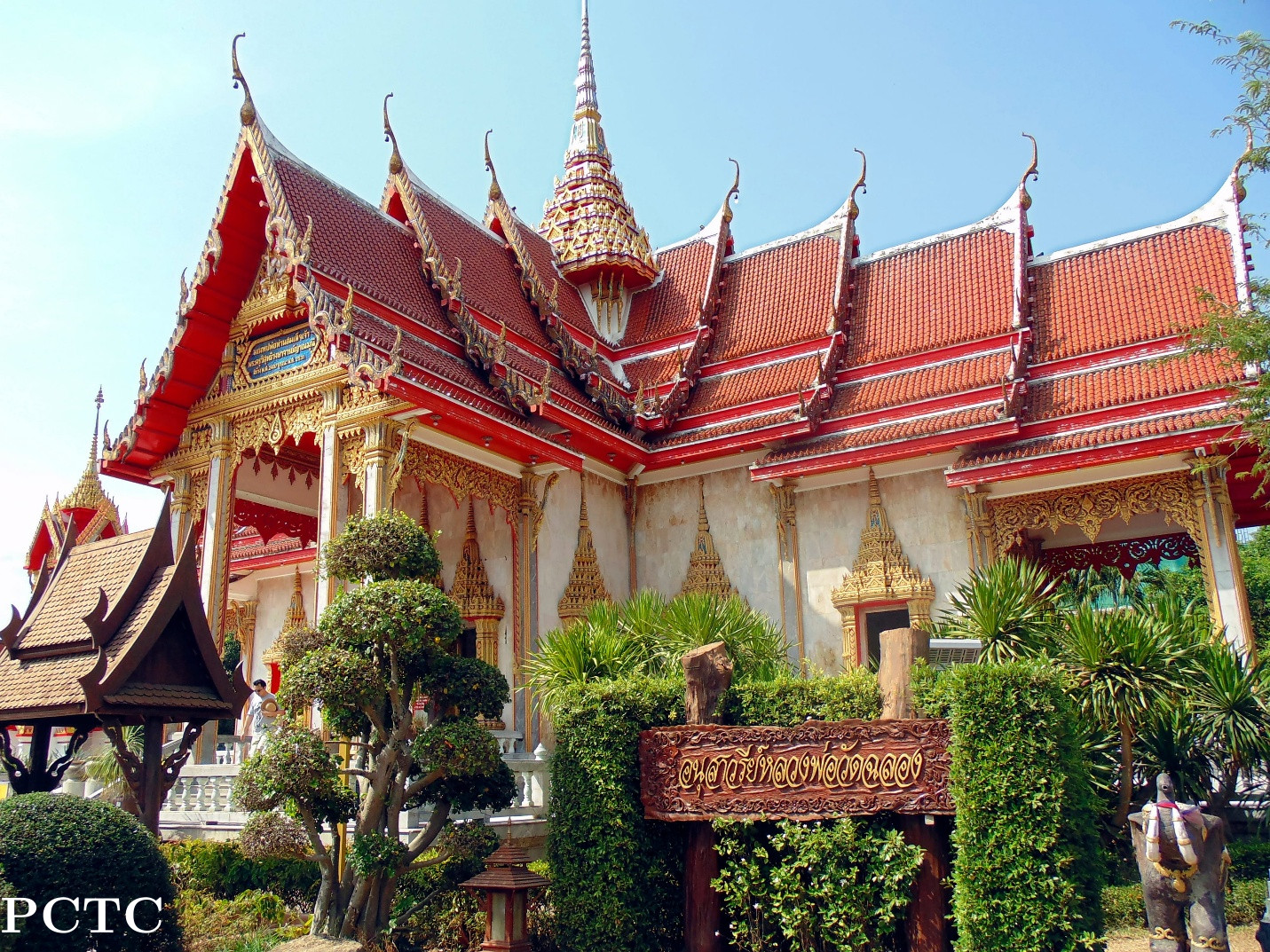
Some historic landmarks feel like quick stops where you snap a few photos and rush off. Visiting Wat Pho Bangkok is completely different. Known formally as Wat Phra Chetuphon Wimon Mangkhalaram, this sacred sanctuary encourages you to slow your pace. It presents centuries of Siamese royal heritage, traditional healing sciences, and striking Buddhist art in a single expansive compound.
Wat Pho sits right along the historic riverbank in Phra Nakhon. Whether you explore independently or join an organized guided Bangkok City Tour, understanding how to navigate the courtyards, sacred halls, and massage pavilions will make your day seamless and rewarding.
What Makes Wat Pho Bangkok Special
Wat Pho predates Bangkok's establishment as the national capital in 1782. While King Rama I founded the modern temple structure on the site of an earlier monastery, King Rama III transformed the grounds into Thailand's first open learning institution. Inscribed stone slabs covering medicine, astrology, warfare, and poetry line the outer galleries so everyday citizens could gain an education.
Today, the sprawling complex holds the country's largest collection of Buddha images, tranquil marble verandas, and 91 decorative stupas adorned in intricate floral ceramics.
The Golden Reclining Buddha
The focal point for most travelers is the Viharn of the Reclining Buddha. Inside this hall rests a gilded statue measuring 46 metres long and 15 metres high, illustrating the Buddha entering final nirvana. The figure completely fills the sanctuary, offering dramatic views from every pillar.
Take time to admire the soles of the Buddha's feet. They measure five metres in length, lavishly inlaid with mother-of-pearl depicting 108 auspicious symbols of spiritual enlightenment. Along the corridor behind the image, you will hear a distinct metallic chime as worshippers and guests drop small coins into 108 bronze alms bowls for good fortune and temple preservation.
The Four Great Chedis and Stone Giants
Beyond the main sanctuary, the grounds open into sunny courtyards featuring four soaring 42-metre stupas dedicated to the first four Chakri kings. Each spire is covered in vibrant ceramic mosaic tiles that catch the tropical sunlight.
As you wander between the cloisters, look for the tall, bearded stone statues guarding the entrance archways. These sculptures arrived in Siam during the nineteenth century as ballast aboard Chinese merchant junk ships, later repurposed by artisans to protect the holy gates.
Authentic Thai Massage on the Temple Grounds
Wat Pho is internationally celebrated as the birthplace and premier academy of traditional Thai healing. The Wat Pho Thai Traditional Medical and Massage School still trains therapists from around the globe directly inside the southern perimeter.
Unlike soft aromatherapy treatments found in modern hotel spas, classical Thai massage here is therapeutic. Practitioners use firm thumb pressure, palm compressions, and rhythmic body stretches along internal energy lines (known as Sen lines) to relieve deep muscle tension and improve circulation.
Booking Your Treatment
Drop-in sessions are available in the open-air massage pavilions. You can choose between a standard 30-minute or 60-minute massage, or opt for an herbal compress therapy.
Because this experience is popular with international visitors, time slots fill up quickly by midday. Head directly to the massage pavilions near the eastern wall to reserve a time slot before you begin touring the courtyards.
Practical Tips for Visiting Wat Pho
A little preparation goes a long way toward keeping your temple visit pleasant and culturally respectful.
Strict Dress Code Requirements
Wat Pho is an active monastery where resident monks live, pray, and study. Modest clothing is strictly enforced at the ticket counters and inside all worship halls. Both men and women must cover their shoulders and knees.
Lightweight linen trousers, maxi dresses, or loose cotton shirts work best in the heat. Avoid sleeveless tops, tank tops, mini-skirts, athletic shorts, and ripped jeans. If needed, sarongs can often be purchased from small stalls outside the gate.
Footwear and Heat Management
You must remove your shoes every time you enter an ordained chapel. Wear slip-on sandals or comfortable loafers so you do not struggle with laces at every doorway. Wearing socks is acceptable and keeps your bare feet clean on stone thresholds.
The open courtyards absorb heat rapidly. Carry sun protection, take breaks under shady banyan trees, and claim the complimentary bottle of drinking water provided with your entrance ticket.
How to Reach Wat Pho
Navigating historic Bangkok has become significantly easier thanks to modern public transit options.
- MRT Subway: Board the MRT Blue Line to Sanam Chai Station. Take Exit 1 (Museum Siam), and you will emerge on Sanam Chai Road, just a flat four-minute walk from the temple gates.
- River Ferry: Board the Chao Phraya Express Boat to Wat Pho Pier (Tha Tien, N8). From the pier, walk straight up Chetuphon Road for two minutes to reach the western entrance.
- Private Transfer: Taxis and ride-hailing cars provide door-to-door comfort. If you are heading straight into the historic district after landing, arranging a Suvarnabhumi Airport private hotel transfer eliminates transit stress with your luggage.
Pairing Wat Pho with Nearby Landmarks
Because Wat Pho sits in the historic Rattanakosin quarter, you can easily combine it with other major Bangkok landmarks in a single morning or afternoon.
The Grand Palace and Wat Arun
The Grand Palace compound sits directly north across the street, roughly a ten-minute walk from Wat Pho's entrance. Touring the Grand Palace early in the morning and moving to Wat Pho by mid-morning provides a full view of royal architecture.
Once finished at Wat Pho, walk five minutes back to Tha Tien Pier. Pay the five-baht cross-river shuttle boat to reach the west bank of the river, where you can explore the porcelain-clad prang of Wat Arun.
Afternoon and Evening City Plans
If you want to continue your temple journey, head south of the river to see the towering Big Buddha at Wat Paknam. For dinner, unwind from walking by boarding a relaxing Chao Phraya Princess Dinner Cruise, which sails right past Wat Pho and the illuminated riverside pagodas as night falls.
Best Hours to Visit and Duration
Wat Pho opens daily from 8:00 AM to 6:30 PM. Arriving between 8:00 AM and 9:00 AM allows you to see the Reclining Buddha in quiet contemplation before large tour buses arrive. Another pleasant window is after 4:00 PM, when the midday sun dips and the stone courtyards cool down.
Plan to spend between 1.5 to 2.5 hours on site. If you plan to receive a traditional massage, add at least an extra hour to your schedule.
Dining and Refreshments Around Tha Tien
The neighborhood surrounding Tha Tien Pier has evolved into a pleasant hub for dining. You will find small air-conditioned cafes, bakeries, and riverside restaurants offering scenic views of the water.
For Indian travelers and vegetarians, several cafes on Maharat Road serve fruit smoothies, fresh coconut water, and plant-based Thai noodle dishes. If you prefer dedicated North and South Indian dining, Pahurat (Bangkok's Little India) is only a quick ten-minute taxi or tuk-tuk ride away.
Frequently asked questions
Can I wear shorts inside Wat Pho?
No. Shorts that fall above the knee are strictly prohibited for both men and women. Modest clothing covering your shoulders and knees is mandatory inside the temple complex and chapels. Opt for loose linen trousers or long skirts.
How much does admission to Wat Pho cost?
Standard entry tickets cost 300 Thai Baht per person and include a voucher for a complimentary bottle of cold drinking water. Always verify current ticket counter rates upon arrival.
How much does a massage cost at the Wat Pho school?
Traditional Thai massage at the temple school typically ranges from 300 to 500 Thai Baht for a 30 to 60-minute treatment. Rates vary depending on whether you choose a standard body massage or an herbal compress.
How do I get to Wat Arun from Wat Pho?
Walk roughly five minutes to the nearby Tha Tien Pier on the Chao Phraya River. A local shuttle boat crosses the river every few minutes for roughly 5 Thai Baht, dropping you directly at the base of Wat Arun.
Is Wat Pho wheelchair accessible?
The main outer courtyards are generally flat with paved walkways. However, entering individual ordination halls and viewing the Reclining Buddha involves raised stone thresholds and small flights of steps where assistance is required.
Looking forward to exploring historic Bangkok without transport hassles? Reserve a comfortable Bangkok City Tour or private city transfer to experience the capital's revered temples at your own pace.